 Posted by
 Weever fish are among the marine animals that beachgoers in Italy are most likely to notice only after an unpleasant encounter. These small, well-camouflaged fish can bury themselves in sand in shallow coastal water, leaving little more than their eyes and venomous dorsal spines exposed.
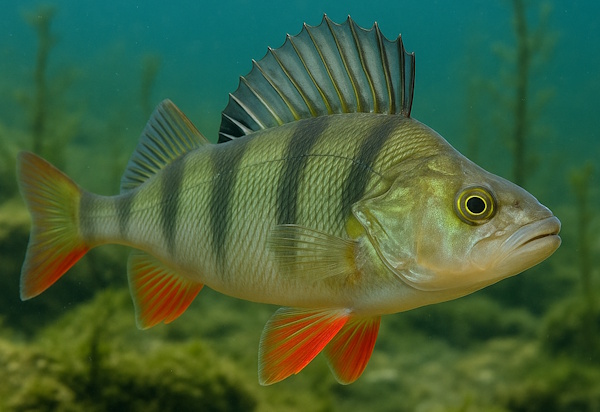
Most people are stung after accidentally stepping on a weever fish with a bare foot. The fish does not hunt or attack swimmers. The problem is simply that it can be extremely difficult to see when buried in the seabed.
A weever fish sting can cause very severe pain, swelling and redness. Serious complications are unusual, but a sting should be taken seriously, particularly if the person develops breathing problems, dizziness, severe swelling or other symptoms beyond the immediate area.
Our Tip: Book accommodations in Italy easily via Booking.com: real reviews, large selection, fair prices, and flexible cancellation.
Weever fish occur in the Mediterranean around Italy and can potentially be encountered on sandy beaches along the Adriatic, Tyrrhenian, Ligurian and Ionian coasts as well as around Sicily and Sardinia.
This guide explains where weever fish occur in Italy, where tourists are most likely to encounter them, how dangerous they really are and what to do if you are stung.
Weever Fish in Italy at a Glance
| Question | Answer |
|---|---|
| Are there weever fish in Italy? | Yes |
| Italian name | Tracina |
| Where are they found? | Throughout suitable Mediterranean coastal waters around Italy |
| Typical habitat | Sandy or muddy seabeds, including shallow water |
| Are they aggressive? | No |
| How are most tourists stung? | By accidentally stepping on a buried fish |
| Main symptom | Immediate and often severe pain |
| Best immediate first-aid measure | Hot but not scalding water, approximately 40–45 °C |
| Are stings usually fatal? | No, serious systemic reactions are uncommon |
| Emergency number in Italy | 112 |
What Is a Weever Fish?
Weever fish belong to the family Trachinidae. They occur in the Mediterranean and eastern Atlantic and are well adapted to life on sandy and muddy seabeds.
In Italy the fish is generally known as a tracina. Visitors may therefore hear lifeguards, doctors or local residents use this Italian word after a sting.
Several species of weever occur in European and Mediterranean waters. For tourists, however, identifying the precise species is rarely important. The practical issue is that weevers have venomous spines capable of producing an extremely painful puncture wound.
Their coloration is usually brownish, yellowish or sandy, allowing them to blend into the seabed remarkably well.
Why Are Weever Fish Difficult to See?
Weever fish often partly bury themselves in sand or mud. A fish can remain almost invisible while waiting for small fish and crustaceans to approach.
This behavior is the main reason swimmers get stung. A person walking into shallow water may put a foot directly onto a fish without ever seeing it.
The fish is not waiting to attack humans. The venomous spines are primarily a defense mechanism.
If the fish is disturbed or stepped on, the sharp spines can penetrate the skin, often on the sole, heel or toes.
Are Weever Fish Dangerous?
Weever fish are venomous, but they are not normally life-threatening to healthy adults.
The major problem is pain. A sting can cause intense or even excruciating pain shortly after the spine enters the skin. Swelling and inflammation can follow.
Severity varies. Some people experience a painful but relatively localized reaction, while others have substantial swelling or pain that lasts for many hours.
Rarely, symptoms can extend beyond the immediate sting area. Anyone experiencing breathing difficulty, faintness, severe weakness, rapidly worsening symptoms or another major reaction should receive urgent medical assistance.
Children, elderly travelers and people with relevant medical conditions should also be assessed cautiously if symptoms are significant.
Top Experiences in Italy
While you’re in Italy, don’t miss the most popular tours and attractions. Many sell out in advance, especially in high season.
Where Are Weever Fish Found in Italy?
Weever fish can occur in suitable coastal waters around much of Italy. Their presence is determined more by seabed and habitat than by administrative borders.
Sandy beaches and shallow sandy areas are particularly relevant because these are exactly the places where people walk barefoot through the water.
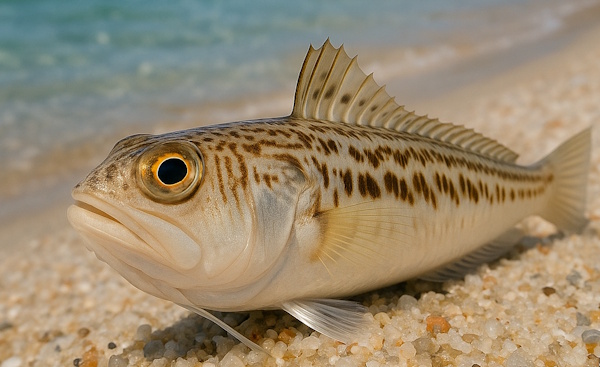
A rocky coastline does not automatically mean that there are no weever fish. Sandy patches can exist between rocks or farther offshore. However, tourists are most likely to be stung where fish and bare feet overlap: shallow sandy bathing areas.
Weever Fish on the Adriatic Coast
The Adriatic coast is one of the Italian areas particularly relevant to tourists concerned about weever fish.
Large sections of the northern and central Adriatic have long, shallow sandy beaches. These conditions are excellent for family holidays, but they also mean that swimmers spend a lot of time walking over sandy seabeds.
That creates the classic situation in which a buried weever fish can accidentally be stepped on.
Weever Fish in Rimini and Riccione
Rimini, Riccione and neighboring resorts have extensive sandy beaches and very shallow water in many places.
A weever sting is possible here, just as it is on other suitable Adriatic beaches. This does not mean that visitors should expect to be stung. The huge majority of swimmers never have an encounter.
Water shoes can provide additional protection for people who are concerned, particularly children who spend a lot of time walking and playing in shallow water.
Weever Fish in Veneto
The Veneto coast also contains extensive sandy holiday beaches, including destinations around Jesolo, Caorle and Bibione.
Suitable sandy seabeds mean that weever fish can occur in the region. Again, the presence of the fish does not make the beaches unsafe. It is simply useful to know why a sudden extremely painful puncture to the foot can occur.
Weever Fish in Marche and Abruzzo
The Adriatic coast of Marche and Abruzzo has many popular sandy beaches. Weever fish can occur in suitable coastal habitat here as elsewhere in the Adriatic.
Travelers spending most of their time swimming rather than walking over the seabed have less chance of stepping directly on one.
Weever Fish in Puglia
Puglia borders both the Adriatic and Ionian seas and has an enormous variety of beaches, ranging from rocky coast to broad sandy bays.
Weever fish can occur around the region. Sandy beaches and sandy seabeds are the situations most relevant to people concerned about stings.
This includes holiday areas in Salento as well as sandy stretches farther north.
There is no reason to avoid swimming in Puglia because of weever fish. Awareness and basic first-aid knowledge are sufficient for ordinary travelers.
Weever Fish in Sicily
Yes, weever fish occur in the Mediterranean waters around Sicily.
Sicily has hundreds of beaches and a mixture of sandy, rocky and gravel coast. The highest practical chance of stepping on a weever is on a sandy seabed where the fish can bury itself.
Beachgoers around Palermo, Catania, Taormina, Syracuse, Trapani and other Sicilian destinations do not need to worry constantly about weever fish. Stings are an occasional beach hazard rather than a normal part of swimming in Sicily.
Weever Fish in Sardinia
Weever fish can also occur around Sardinia.
Sardinia is famous for clear water and large numbers of sandy beaches, so the habitat required by weever fish is present in many coastal areas.
As elsewhere, a fish buried beneath the sand is difficult to spot from above even in very clear water.
The possibility of a weever sting should not discourage anyone from swimming or snorkeling in Sardinia. It is simply one of several natural marine hazards that can occasionally cause an injury.
Weever Fish in Tuscany
Weever fish occur along the Tuscan coast and in the wider Tyrrhenian Sea.
The likelihood of an encounter varies with the type of beach. Long sandy sections of the Tuscan coast provide more typical weever habitat than stretches dominated entirely by rocks.
Areas with shallow sand are particularly relevant because people tend to walk rather than swim there.
Weever Fish around Elba
Weever fish can occur in the waters around Elba as part of the natural Mediterranean marine fauna.
Elba has both rocky and sandy beaches. On sandy seabeds, bathers should be aware that small bottom-dwelling venomous fish can be present even when the water is exceptionally clear.
Serious incidents are not a normal feature of an Elba holiday, and there is no general reason to wear water shoes everywhere unless you prefer the additional protection.
Weever Fish on the Ligurian Coast and Cinque Terre
Liguria has a much rockier coastline than many parts of the Adriatic, but sandy and gravelly areas also exist.
Weever fish can occur in Ligurian waters. The risk of stepping on one depends heavily on the seabed at the particular beach.
A visitor to Cinque Terre, for example, will encounter very different beach conditions from a tourist staying on a broad sandy Adriatic beach.
Where there is shallow sand, a weever encounter remains possible.
Weever Fish around Rome and Lazio
The Tyrrhenian coast of Lazio contains extensive sandy beaches, including areas accessible from Rome.
Weever fish can occur in these coastal waters, meaning a sting is possible at sandy beaches around Lazio.
Tourists visiting Rome itself obviously do not need to think about weever fish until they head to the coast. At beaches such as those around Ostia, normal Mediterranean beach precautions apply.
Weever Fish around Naples and the Amalfi Coast
Weever fish are part of the wider marine fauna of the Tyrrhenian Sea around Naples, Sorrento, Capri, Ischia and the Amalfi Coast.
Much of this coastline is steep and rocky, but there are also beaches and sandy seabed areas suitable for weever fish.
The fish is not a significant reason to avoid swimming on the Amalfi Coast. As elsewhere, the main practical risk occurs when a barefoot swimmer steps directly onto a buried fish.
Our Tip: Book accommodations in Italy easily via Booking.com: real reviews, large selection, fair prices, and flexible cancellation.
Weever Fish in Calabria
Calabria lies between the Tyrrhenian and Ionian seas and has a long coastline with a wide variety of marine habitats.
Weever fish can occur around Calabria. Sandy bays and shallow sandy seabeds are the areas where tourists are most likely to have contact with one.
Again, the risk is small compared with the enormous number of people who swim safely in Calabria every summer.
Do Weever Fish Live in Shallow Water?
Yes. This is one of the most important facts for beachgoers.
Weever fish can occur in very shallow sandy water, which is why stings often affect feet.
You do not need to be diving or swimming far offshore to encounter one. Someone simply walking into the sea can accidentally step on a buried fish.
This distinguishes weever fish from many larger marine animals that tourists rarely encounter close to shore.
Are Weever Fish More Common on Sandy Beaches?
They are strongly associated with sandy and muddy seabeds because they can bury themselves in the sediment.
For tourists, this means sandy beaches are the most relevant environment.
The word “dangerous” should still be kept in perspective. Millions of people use sandy Italian beaches without ever being stung.
It is the combination of camouflage, shallow water and bare feet that makes the fish important for swimmers.
When Is Weever Fish Season in Italy?
Weever fish are present in Mediterranean waters beyond the main tourist season, but stings are most relevant during the warmer swimming season.
There is a simple reason: far more people are walking barefoot through shallow water during late spring, summer and early autumn.
June, July, August and September therefore represent the period when tourists are most likely to be concerned about weever fish injuries.
The exact situation varies between northern and southern Italy and according to sea temperature, weather and local conditions.
Do Weever Fish Attack Swimmers?
No. Weever fish do not normally attack humans.
They are predators of small marine animals, not people. A swimmer is far too large to be considered prey.
Most stings are purely defensive and accidental. The fish is lying partly buried in the seabed and someone steps on or touches its venomous spines.
This distinction is useful because it means a swimmer does not need to worry about a weever fish deliberately approaching or chasing them.
Where Are the Venomous Spines?
Weever fish have venomous spines associated with the first dorsal fin and structures around the gill region.
For swimmers, the dorsal spines are particularly relevant when stepping on a buried fish.
For fishermen, cooks and anyone handling a caught fish, the other spines can also pose a risk.
A dead or recently caught weever should therefore not be handled casually with bare hands.
What Does a Weever Fish Sting Feel Like?
The most characteristic symptom is sudden, intense pain.
The pain can begin rapidly after the spine penetrates the skin and may become severe. For many victims, this is considerably more painful than an ordinary insect sting.
Other local symptoms can include:
- swelling;
- redness;
- throbbing or burning pain;
- tenderness;
- numbness or altered sensation;
- difficulty walking when the foot has been affected.
The intensity varies from person to person and also depends on where and how deeply the spine penetrated.
How Long Does the Pain Last?
There is no single duration for every sting.
Pain may remain severe for a significant period if untreated. Hot-water treatment can substantially reduce pain in many cases.
Swelling and tenderness may last longer than the most intense pain. Occasionally, local symptoms persist for days.
If pain continues to worsen, swelling becomes severe or there are signs of infection or retained foreign material, medical assessment is advisable.
First Aid for a Weever Fish Sting
If you are stung by a weever fish in Italy, the first priority is to leave the water safely. Severe pain can make swimming difficult and increase the risk of drowning.
1. Get out of the water
Move to shore or obtain assistance. Do not remain in deep water while dealing with severe pain.
2. Check for visible spines
If a spine or fragment is clearly visible and can be removed easily, it may be carefully taken out with tweezers.
Do not dig deeply into the wound or cause additional tissue damage trying to find a spine that cannot be seen.
3. Use hot water
Immerse the affected foot, hand or other body part in hot but not scalding water.
A commonly recommended temperature range is approximately 40–45 °C. If no thermometer is available, the water should be as hot as the injured person can comfortably tolerate without causing a burn.
Continue hot-water immersion for at least around 30 minutes. Longer treatment may be needed if pain returns or remains severe.
Particular care is necessary with children, elderly people and anyone with reduced temperature sensation because excessively hot water can itself cause burns.
4. Clean the wound
After initial pain treatment, the puncture wound should be cleaned appropriately.
A small puncture caused by a spine can potentially become infected, particularly if fragments remain in the wound.
5. Use normal pain relief if appropriate
Standard painkillers may be helpful for some people, provided they can normally take those medicines safely and follow the package instructions.
Severe pain that is not improving may require professional medical treatment.
Hot Water for a Weever Fish Sting: Why Is It Recommended?
Hot-water immersion is one of the best established first-aid measures for weever fish envenomation.
Clinical reports and medical literature have repeatedly found substantial pain relief from immersing the affected area in hot water.
The important word is hot, not boiling. Water hot enough to burn the skin creates an additional injury and should never be used.
If you are at a staffed Italian beach, ask a lifeguard for assistance. Coastal first-aid services may already have experience dealing with this type of sting.
Should You Use Ice on a Weever Fish Sting?
Hot-water immersion is generally preferred for weever fish venom.
Because heat is the standard first-aid approach for this type of marine envenomation, putting ice directly on the sting should not replace recommended hot-water treatment.
If you are unsure what animal caused the injury, seek advice from a lifeguard or medical professional rather than applying random home remedies.
Does Vinegar Help a Weever Fish Sting?
Vinegar is commonly mentioned in discussions of jellyfish stings, which sometimes creates confusion.
A weever fish sting is not a jellyfish sting. The injury is caused by a venomous fish spine penetrating the skin.
The important first-aid measure for a suspected weever fish sting is hot-water treatment rather than relying on vinegar, lemon juice or other home remedies.
When Should You See a Doctor?
Many uncomplicated stings improve with first aid, but medical assessment is appropriate in several situations.
Seek medical help if:
- pain remains extreme despite hot-water treatment;
- there is severe or rapidly increasing swelling;
- a spine appears to be deeply embedded;
- the wound is near a joint or other sensitive structure;
- symptoms extend well beyond the sting site;
- you develop dizziness, faintness or severe weakness;
- there is difficulty breathing;
- the injured person is a young child or medically vulnerable;
- signs of infection develop later.
In a serious emergency in Italy, call 112.
Can a Weever Fish Sting Be Fatal?
Severe systemic reactions are possible, but the typical weever fish sting experienced by a beachgoer is characterized primarily by intense local pain rather than life-threatening poisoning.
Fatal outcomes are not a normal expectation following a sting.
Nevertheless, it would be wrong to dismiss severe symptoms. Difficulty breathing, loss of consciousness or another major reaction requires urgent medical help regardless of how rare such complications may be.
Can Children Be Stung by Weever Fish?
Yes. Children may be particularly exposed because they often spend long periods standing, paddling and playing in very shallow sandy water.
A sting can also be especially distressing for a child because the pain may be intense and sudden.
Water shoes can be a practical precaution for parents who are concerned about weever fish, sharp shells, stones and other objects on the seabed.
If hot water is used on a child’s sting, an adult should carefully control the temperature to prevent burns.
Do Water Shoes Protect Against Weever Fish?
Water shoes can reduce the risk of a spine penetrating the foot and are therefore one of the most practical precautions for worried beachgoers.
They cannot provide absolute protection. A sufficiently sharp spine may potentially penetrate thin material, and shoes do not protect uncovered parts of the body.
However, footwear creates an additional barrier between the sole of the foot and the seabed.
Water shoes are particularly useful for children, people who spend a lot of time walking in shallow water and anyone who simply wants additional protection from stones, shells, sea urchins and other sharp objects.
Should Everyone Wear Water Shoes in Italy?
No. Millions of people swim barefoot at Italian beaches without being stung by a weever fish.
Water shoes are a personal choice rather than an essential piece of safety equipment for every Italian beach.
They make more sense if you are particularly concerned about marine injuries, if children are playing in shallow water or if the seabed contains other hazards such as sharp rocks.
Can You Avoid Weever Fish by Shuffling Your Feet?
People sometimes recommend moving the feet gradually through sand rather than taking large steps.
This may make a buried animal aware of your approach and gives it an opportunity to move, but it should not be treated as guaranteed protection.
Water shoes provide a more direct physical barrier.
Are Weever Fish Dangerous to Snorkelers?
Weever fish pose a much smaller practical problem to someone swimming or snorkeling above the seabed than to someone walking barefoot across it.
The fish does not normally leave the sand to attack snorkelers.
A snorkeler is mainly at risk if they stand on the bottom, put a hand onto the seabed or attempt to touch or catch the fish.
Are Weever Fish Dangerous to Divers?
Divers can encounter weever fish, but they are usually better protected by equipment and are less likely to step barefoot onto one.
The main rule is the same: do not touch marine animals unnecessarily and avoid putting hands directly onto sandy or rocky seabeds without seeing what is there.
Are Weever Fish Dangerous to Fishermen?
Yes, fishermen represent a different risk group.
A weever fish caught on a hook or in a net still has sharp venomous spines. Handling the fish carelessly can produce a painful hand injury.
Visitors fishing recreationally in Italy should avoid gripping an unidentified fish with bare hands, especially if it has prominent dorsal spines.
Can a Dead Weever Fish Still Sting?
Do not assume that a recently dead weever fish is safe to handle.
The physical spines remain sharp and can penetrate skin. A fish lying on a beach or caught by a fisherman should therefore not be picked up by an inexperienced person.
This is especially important for children who may be curious about stranded or discarded fish.
How Common Are Weever Fish Stings in Italy?
There is no reliable national figure that tells a tourist exactly how many people are stung on Italian beaches each year.
It would therefore be misleading to claim that a particular number of tourists are injured annually without a robust national reporting system.
What can be said is that weever fish stings are a well-recognized type of coastal injury in European and Mediterranean waters and that the typical mechanism is stepping on a buried fish in sandy shallow water.
For an individual beachgoer, the probability remains low. The enormous majority of people swimming in Italy are never stung.
Do Italian Beaches Close Because of Weever Fish?
Normally, no.
Weever fish are native marine animals and part of the normal ecosystem. Their presence is not comparable with a pollution event or another hazard that would normally require closure of a beach.
Local lifeguards may provide advice when marine stings are being reported, but there is no general rule that an Italian beach closes because weever fish are present.
Weever Fish vs. Jellyfish: Which Is More Dangerous?
These are completely different animals and cause different types of injuries.
A jellyfish sting normally occurs when skin contacts tentacles containing stinging cells. A weever fish injury occurs when a venomous spine physically punctures the skin.
Weever fish stings are particularly famous for the severity of the immediate pain.
Jellyfish risk varies greatly depending on species and local conditions. Neither hazard should normally prevent tourists from enjoying Italian beaches.
Weever Fish vs. Sea Urchin
Both injuries commonly affect bare feet, but the mechanism is different.
Sea urchin injuries usually involve brittle spines becoming embedded in the skin, often around rocky areas. A weever fish uses venomous spines and is strongly associated with sandy seabeds.
Severe immediate pain on a sandy beach is therefore more suggestive of a weever fish sting than an ordinary sea urchin injury.
Can You Eat Weever Fish?
Yes. Weever fish are edible and can be used in Mediterranean cooking.
The danger comes from the venomous spines rather than from eating properly prepared flesh.
Handling and preparation should be left to people familiar with the fish because the spines can still cause injury.
Frequently Asked Questions About Weever Fish in Italy
Are there weever fish in Italy?
Yes. Weever fish occur in Mediterranean waters around Italy and can be encountered along many parts of the Italian coast.
What is a weever fish called in Italian?
The usual Italian name is tracina.
Are there weever fish in the Adriatic?
Yes. Weever fish occur in the Adriatic Sea. The extensive shallow sandy beaches of the Italian Adriatic are particularly relevant because bathers frequently walk across sandy seabeds.
Are there weever fish in Rimini?
They can occur in the waters around Rimini. A sting is possible on shallow sandy seabeds, although most visitors will never encounter one.
Are there weever fish in Sicily?
Yes. Weever fish occur in Mediterranean waters around Sicily, particularly in suitable sandy habitats.
Are there weever fish in Sardinia?
Yes. They can occur around Sardinia. The island’s many sandy beaches provide suitable habitat in some areas.
Are there weever fish in Puglia?
Yes. They can occur along both the Adriatic and Ionian coasts of Puglia.
Are there weever fish in Tuscany?
Yes. Weever fish occur in the Tyrrhenian Sea off Tuscany and can be present on sandy seabeds.
Are there weever fish around Elba?
Yes. They can occur in the waters around Elba, particularly where sandy seabeds provide suitable habitat.
Are there weever fish on the Amalfi Coast?
Weever fish can occur in the Tyrrhenian Sea around the Amalfi Coast. The practical risk is greatest where bathers walk over sandy seabed rather than on purely rocky sections of coast.
Do weever fish attack people?
No. They do not hunt or deliberately attack humans. Most injuries occur when someone accidentally steps on or handles a fish.
Where do weever fish hide?
They often bury themselves in sand or mud, sometimes leaving little more than the eyes and part of the head exposed.
How painful is a weever fish sting?
It can be extremely painful. Severe immediate pain is one of the characteristic symptoms of a weever fish sting.
What should I do after a weever fish sting?
Leave the water, check for visible spines and immerse the affected area in hot but not scalding water, ideally around 40–45 °C, for at least about 30 minutes. Seek medical help if symptoms are severe or do not improve.
Does hot water help a weever fish sting?
Yes. Hot-water immersion is a standard first-aid measure and is particularly useful for reducing the severe pain associated with the venom.
How hot should the water be?
Approximately 40–45 °C is commonly recommended. It should be hot but never so hot that it risks burning the skin.
How long should the foot stay in hot water?
At least around 30 minutes is a common recommendation. Treatment may need to continue longer if significant pain remains.
Can a weever fish sting kill you?
Life-threatening reactions are unusual. Most stings primarily cause intense local pain and swelling. Severe systemic symptoms require urgent medical attention.
Do water shoes stop weever fish stings?
They can reduce the risk by providing a physical barrier between the foot and a buried fish, although they cannot guarantee complete protection.
Should I avoid Italian beaches because of weever fish?
No. Weever fish are a natural part of Mediterranean marine life, and most people swimming in Italy never encounter one. Basic awareness and knowing the correct first aid are sufficient for normal beach holidays.
Conclusion: Weever Fish Are Painful but Not a Reason to Avoid Italian Beaches
Weever fish are one of the more relevant venomous marine animals for tourists in Italy because they live in exactly the environment used by millions of beachgoers: sandy coastal water.
Unlike sharks and many other feared marine animals, a weever fish can be encountered in very shallow water. Its excellent camouflage means a swimmer may never see the fish before accidentally stepping onto its venomous dorsal spines.
Stings can be extremely painful, but serious systemic complications are uncommon. The most important practical information for travelers is straightforward: get out of the water safely, use hot but not scalding water, remove only clearly visible superficial spines and seek medical assistance if symptoms are severe.
Weever fish can occur along the Adriatic coast, Tuscany, Lazio, Campania, Calabria, Puglia, Liguria, Sicily, Sardinia and around islands such as Elba. Their presence varies locally according to the seabed and habitat.
There is no need to be afraid of swimming in Italy. If you want extra protection when walking through shallow sandy water, water shoes are a simple option. For most travelers, knowing what a weever fish is and what to do after a sting is more useful than worrying about encountering one.
| Animals & Nature in Italy | |
|---|---|
| Snakes in Italy | Sharks in Italy |
| Tiger Mosquito in Italy | Bears in Italy |
| Weever Fish in Italy | Jellyfish in Italy |
| Ticks in Italy | |