Lombardy (Lombardia) is a large region in northern Italy, known for Milan, the lakes of the foothills and the Alps along its northern edge. It combines a fast-moving business capital with historic towns, lakeside villages, mountain resorts and countryside. Visitors may come for Milan’s museums and fashion, Lake Como’s villas, Lake Garda’s eastern shore, Bergamo’s old town or hiking in the Valtellina.
The region is broad, and these places are not all close to one another. Milan is a convenient rail hub, but it is not the best base for every lake or mountain area. Decide whether your trip is mainly about the city, lakes or mountains, then add a second area if you have enough time. This guide explains the main destinations and how to plan travel between them.
Lombardy at a glance
- Italian name: Lombardia
- Location: northern Italy, bordering Switzerland
- Capital: Milan (Milano)
- Known for: Milan, Lake Como, Lake Garda, Bergamo, the Alps and Franciacorta
- Good for: city breaks, art, lakeside stays, food, hiking and skiing
- Transport: trains connect major cities and some lake towns; car helps in rural areas
- Suggested stay: 3 days for Milan; 5–8 days for city and lake combinations
Where is Lombardy?
Lombardy lies in northern Italy, with Switzerland to the north. It borders Piedmont, Emilia-Romagna, Veneto and Trentino-Alto Adige. The Po plain occupies much of the south, while the Alps and pre-Alpine lakes define the north. Milan is the region’s capital and largest city.
The lakes are shared across administrative boundaries in some cases. Lake Como is within Lombardy, while Lake Garda is shared by Lombardy, Veneto and Trentino-Alto Adige. Lake Maggiore is also shared with Piedmont and Switzerland. When planning a lake trip, confirm which shore and town you want to visit, as the transport network differs around each lake.
Best places to visit in Lombardy
Milan: art, architecture and urban life
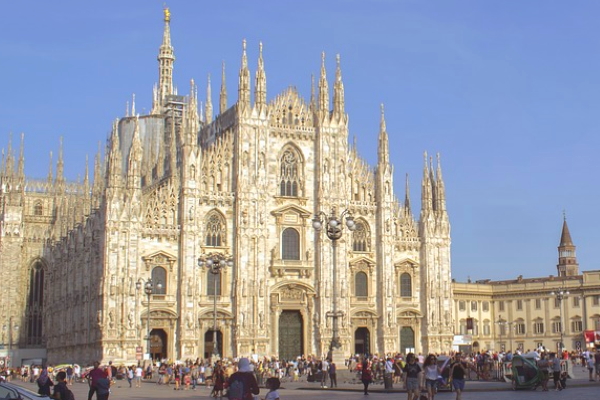
Milan is the region’s main transport hub and one of Italy’s most important cultural and economic centres. The Duomo, Galleria Vittorio Emanuele II, Sforza Castle and Brera district are among the best-known sights. The city also has major museums and design, fashion and food districts. The Milan Cathedral is a central landmark; its rooftop access, museum and cathedral interior may have separate entry arrangements.
The Last Supper by Leonardo da Vinci is displayed at Santa Maria delle Grazie, but visits are limited and require advance planning. See our pages on The Last Supper, the Teatro alla Scala and the Leonardo da Vinci Museum of Science and Technology. Allow at least two full days for Milan if you want more than a quick look at the centre.
For accommodation, central districts are convenient for walking and evening meals. Areas around the main stations are practical for onward travel, but compare the exact location and noise levels. Milan’s public transport is useful for reaching sights outside the centre.
Lake Como: villas, ferries and mountain views
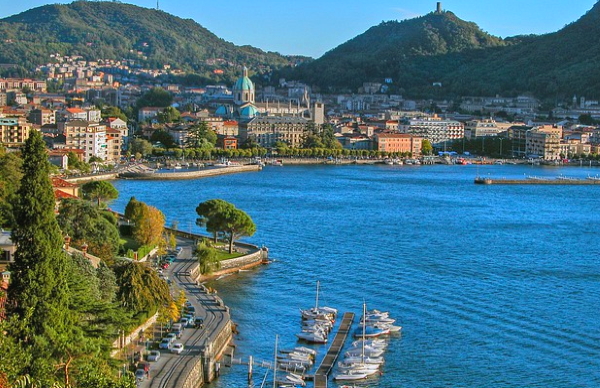
Lake Como is known for steep mountain slopes, historic villas and towns such as Como, Bellagio and Varenna. Como is a convenient gateway from Milan, while Varenna and other eastern-shore towns are well connected by rail and ferry. Bellagio is a popular central stop, reached by boat from several towns.
Ferry schedules vary by season and can be busy in summer. Check routes and the final return departure before planning several stops. A day trip from Milan is possible, but an overnight stay makes it easier to enjoy the lake after day visitors leave. The town of Como has its own historic centre, waterfront and funicular to Brunate.
Lake Garda and Lombardy’s western shore
The western and southern shores of Lake Garda are in Lombardy. Desenzano del Garda and Sirmione are popular bases; Sirmione is known for its peninsula, historic centre and Roman remains. The eastern shore belongs to Veneto, so a full circuit involves crossing regional boundaries. Our guides to Lake Garda and Sirmione provide more detail.
Rail access is easiest around the southern towns. Other lakeside areas may require buses, boats or a car. In high season, roads and parking can be busy. If you plan boat trips, check the route and schedule for the actual day; services may be less frequent outside summer.
Bergamo and Brescia
Bergamo has a lower modern town and a historic upper town, Città Alta, surrounded by Venetian walls recognised by UNESCO as part of a transnational World Heritage property. Funiculars connect the two levels. Allow time to walk the upper town, visit the main squares and look out over the plain.
Brescia combines Roman remains, medieval streets and Renaissance architecture. It can be a rewarding stop for travellers moving between Milan and Lake Garda. Both cities are connected by rail, so they can fit into a city-focused itinerary without a rental car.
Mantua, Cremona and smaller historic towns
Mantua (Mantova) is surrounded by lakes formed by the River Mincio and has a historic centre associated with the Gonzaga family. Cremona is known for violin-making traditions and its cathedral complex. These towns are less likely to be included on a first, very short visit, but they offer a slower pace and a different side of Lombardy than Milan.
Check train frequencies and local opening hours before visiting smaller cities. Some museums close on particular weekdays, and a car may be useful for countryside sites or wineries. A day trip works best when the main sights are within walking distance of the station.
The Alps, Valtellina and Franciacorta
Northern Lombardy includes mountain valleys and resorts for hiking and winter sports. Valtellina is known for its landscapes, local cuisine and wine-growing terraces. The region also has ski destinations such as Bormio and Livigno, although transport, season and road conditions vary. For summer walks, choose a route appropriate to your experience and check local trail information.
Franciacorta, east of Milan, is a wine-producing area with vineyards and cellar visits. Many wineries require reservations. A car or organised tour is useful, particularly if you plan tastings. Do not plan to drive after drinking; arrange a designated driver or transport in advance.
Food in Lombardy
Lombard cuisine varies between the city, lakes and mountain valleys. Milan is associated with risotto alla Milanese and cotoletta, while polenta, cheeses, butter-rich dishes and freshwater fish appear in different areas. Valtellina is known for buckwheat pasta such as pizzoccheri. Lake districts serve perch, lavarello and other local fish depending on season and availability.
Meals and ingredients change from one province to another. Look for menus featuring local products and ask about seasonal dishes. If you visit a winery or producer, check whether tours and tastings need to be booked. In Milan, reservations are useful for popular restaurants and weekend dining.
When to visit Lombardy
Spring and early autumn are comfortable for Milan sightseeing and lake visits. Summer is busy around the lakes and can be hot in the cities. Book popular accommodation and transport in advance, especially for weekend stays. Mountain resorts have separate summer and winter seasons; check lift and trail operations for your dates.
Winter suits skiing and city museums, but fog or snow can affect travel in some areas. Lake towns may be quieter, and some ferries or attractions operate on reduced schedules. For The Last Supper and other timed-entry sights, reserve well before your trip regardless of season.
How to get there
Milan has several airports and major rail connections to Italian and European cities. The best arrival airport depends on your destination: Bergamo Airport can be convenient for the east of the region, while Milan airports suit the city and many rail connections. Lake towns are served by a mix of trains, ferries and buses.
Check the complete journey from the airport to your accommodation, including transfer time and late-night schedules. If you land at a smaller airport, the onward trip may take longer than expected. High-speed and regional trains have different routes and ticket conditions.
Getting around Lombardy
Trains are practical for Milan, Bergamo, Brescia, Como, Varenna and several southern Lake Garda towns. Ferries connect many lake destinations, but service frequency varies. For mountain valleys, winery visits and small villages, a car or organised excursion may be more convenient. Driving in Milan’s central restricted zones requires care; check parking and access rules before entering.
Do not use Milan as a daily base for every destination. A trip to a lake or mountain area may take much of the day once transfers and local transport are included. If your plans focus on one lake, stay nearby. If you want both Milan and the mountains, split the accommodation.
Where to stay
Milan is best for museums, shopping, restaurants and onward rail travel. Como, Varenna or another lakeside town suits Lake Como. Desenzano and Sirmione work for southern Lake Garda. Bergamo is a good overnight stop and airport base. Choose a mountain resort for hiking or skiing, and check seasonal services before booking.
For a week, combine Milan with one lake or mountain area rather than moving every night. Compare station access, parking, ferry connections and whether the accommodation is above the lake centre. On hillsides, a short distance on a map can involve steep roads and stairs.
Tickets and attractions in Lombardy
Compare available tickets for Milan attractions, museums and guided visits. Check the chosen date, access included and time slot before booking.
Find accommodation in Lombardy
Compare stays in Milan, Lake Como, Lake Garda and other areas. Choose your destination carefully because the region is large and transport needs differ.
Suggested itineraries
Three days in Milan
Use one day for the Duomo area and historic centre, another for a museum and Brera or Sforza Castle, and reserve a timed slot for The Last Supper if it is a priority. Keep time for meals and public transport between districts.
Five days: Milan and Lake Como
Spend two nights in Milan and two or three near Lake Como. Travel to Como or Varenna by train, then use ferries to visit other towns. Check the return schedule before leaving a lakeside village late in the day.
One week: city and lake or mountains
Combine Milan with a lake base, or choose Bergamo and a mountain area for a quieter route. A week is enough for two areas at a comfortable pace. Add a third only if the transport connections fit your dates.
Practical tips for visitors
- Reserve timed-entry attractions, especially The Last Supper, early.
- Check ferry timetables and seasonal service on the date you travel.
- Use trains between major cities and stay near the station for short trips.
- Choose a lake base rather than commuting from Milan every day.
- Ask hotels about parking and restricted-traffic zones in city centres.
- Book winery visits and arrange transport before tastings.
- Check trail and lift status for mountain outings.
Is Lombardy right for your trip?
Lombardy suits travellers who want an urban stay, lake scenery or mountain activities, and it can combine all three on a longer itinerary. Milan is a strong city break, but the region’s lakes and valleys have their own pace and transport. Choose a base for each area and allow time for transfers. This approach is more comfortable than trying to visit every highlight from one hotel.
Official information and further reading
For regional inspiration, visit the official inLombardia tourism website. Continue with our guides to Milan, the Milan Cathedral, The Last Supper, Lake Como, Lake Garda and Sirmione.
Planning a Lombardy trip by area
For a short city break, Milan is the easiest choice because it has frequent transport, a wide range of accommodation and sights that can be grouped by district. If you want to add a lake, choose one and spend at least one night there. Lake Como is convenient for train-and-ferry travel around some towns, but reaching hill villages or smaller harbours can require extra connections. Lake Garda is larger and the best base depends on which shore and activities you want.
Travellers with a rental car should check parking before arriving in Milan or a historic lake town. Some accommodation has private parking outside the centre, while other properties are in restricted-traffic areas. Ask the hotel for the exact route and any registration procedure. At lakeside towns, parking may fill early in summer; arriving by train or ferry can be easier.
For a mountain stay, decide whether you want hiking, skiing or a scenic road trip. Resorts have different seasons and lift operations. In winter, check road requirements and weather. In summer, check whether lifts and shuttles operate on your dates, and confirm trail difficulty before setting out. Mountain areas may be far from rail stations, so calculate the last leg of the journey.
Food and wine visits also benefit from advance planning. Some producers are located outside towns and offer visits only by appointment. Confirm the language, tasting format, duration, cost and transport. If you intend to taste wine, use a guided tour or arrange a driver rather than driving afterwards. In Milan, reserve popular restaurants, especially for weekend evenings.
For day trips, check the return connection before you leave. Regional trains, ferries and buses may have reduced service in the evening or outside high season. Leave a margin for walking between a station and the attraction, and consider an overnight stay if the final connection would make the day rushed. This is particularly useful for lakeside villages and mountain destinations.