Fiesole is a hill town just north-east of Florence, known for its Roman theatre, archaeological remains and broad views across the city and the Arno valley. It makes a convenient half-day trip for visitors who want to leave the busiest streets of Florence without travelling far. The town centre is small, but the archaeological area and the walk to the viewpoints add time and involve some slopes.
This guide explains how to get to Fiesole, what to see, how much time to allow and how to plan around opening times. Ticket prices and museum schedules can change, so check the official town or museum information before travelling. Florence’s urban bus fare changed to €2 on 1 August 2026; a standard Florence urban ticket is valid for 90 minutes and covers urban buses serving Fiesole. Verify the latest fare and route before your journey.
Why visit Fiesole?
Fiesole offers a different perspective on Florence. The city centre is visible below, while the surrounding hills, villas and countryside create a quieter setting. The archaeological area brings together a Roman theatre, remains of Roman baths and Etruscan and Roman evidence. A cathedral and several small museums add cultural interest. The combination is what makes Fiesole more than a viewpoint stop.
The trip is easy to arrange independently. Bus line 7 links Florence with Piazza Mino, the main square in Fiesole. From there, the cathedral and archaeological entrance are close by. Some viewpoints and the monastery are uphill, so visitors should plan for uneven paving and gradients. If you prefer cycling, read our guide to e-bike tours from Florence and confirm whether any listed ride actually reaches Fiesole.
>>> Browse Florence tickets and activities
Getting from Florence to Fiesole
The simplest connection for most visitors is the urban bus to Piazza Mino da Fiesole. Line 7 serves the route; the exact departure point, timetable and service pattern can change, so check the current operator information on the day. Destination Florence identifies line 7 as the bus connection from Florence to Fiesole.
As of August 2026, the standard Florence urban ticket costs €2 and is valid for 90 minutes after validation. It covers urban buses serving both Florence and Fiesole. Buy or activate the ticket using an accepted method before boarding, and validate it as instructed. A return journey generally requires a second ticket unless your ticket type or journey rules specifically cover the return. Do not assume that a contactless purchase, paper ticket and app ticket have identical conditions.
Check the bus stop name and direction carefully. In Florence, stops can be close together and service arrangements may change during roadworks or events. Allow time to find the correct stop, especially if you have a museum reservation in Fiesole. Keep the operator’s current timetable available on your phone. Bus frequency can vary by weekday, season and time of day, so old travel descriptions should not be used as a live timetable.
A taxi or private transfer is more direct but costs more. Driving is possible, though parking near the centre can be limited and the roads are narrow. If you arrive by car, check parking signs and restrictions rather than assuming you can drive into the historic centre. Walking from Florence is a much longer uphill route and is not the easiest option in hot weather.
Piazza Mino and the historic centre
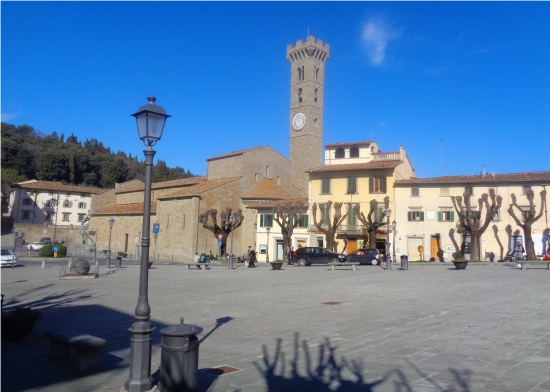
Piazza Mino da Fiesole is the natural starting point. It is the main square and the bus terminus, with cafés and historic buildings nearby. From here, visitors can walk to the Cathedral of San Romolo, the archaeological area and several viewpoints. The distances are short, but the route is not completely flat. Take your time if you have mobility limitations, and check whether the museum entrances and paths suit your needs.
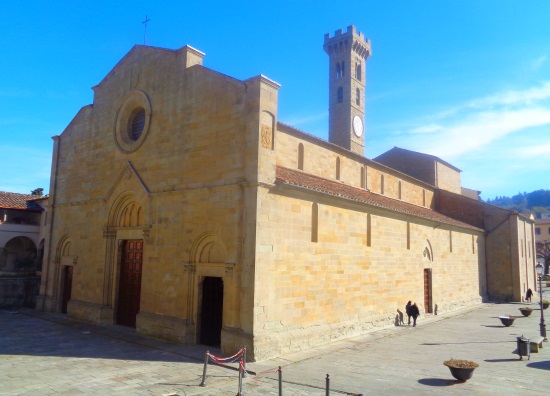
The Cathedral of San Romolo, also called the Duomo of Fiesole, stands beside the square. Its Romanesque exterior is restrained, while the interior reflects centuries of religious use and renovation. Opening arrangements can vary around services and religious events. Dress respectfully and check any notices at the entrance. A visit does not take long, making the cathedral easy to include before or after the archaeological area.
Fiesole’s centre is small enough to explore without a rigid itinerary. Look at the streets around Piazza Mino, pause for a coffee and allow time to enjoy the views. Restaurants and cafés are concentrated near the central area, though opening hours may be seasonal. If you plan to eat after visiting the Roman theatre, check service times, especially outside the main summer season.
The Roman theatre and archaeological area
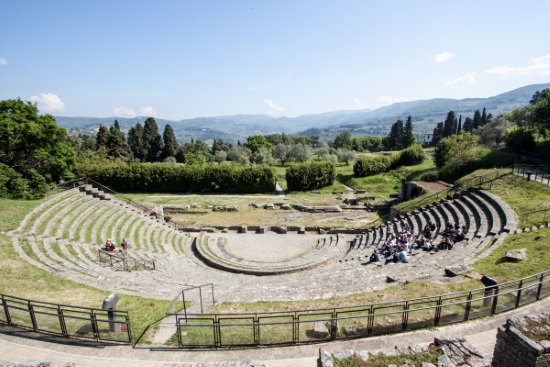
The Roman theatre is the best-known sight in Fiesole. Built into the hillside, it remains a striking example of how ancient builders used the terrain. The broader archaeological area also includes remains of Roman baths, a temple area and other traces of the settlement. Visitors can see how Fiesole developed as an important centre before and during Roman rule.
Allow more time than a quick photo stop. The theatre has different levels and the surrounding ruins are spread across the site. Paths may include steps, slopes and uneven surfaces. Comfortable shoes help, and visitors with mobility needs should check access information with the museum before travelling. In hot weather, bring water and plan a shaded break.
The archaeological museum presents finds from the area and helps put the ruins in context. A combined visit is useful because the stones outside can otherwise be difficult to interpret. Exhibitions and displays can change, so do not rely on old descriptions of individual objects or room layouts. Follow signs and respect barriers that protect fragile remains.
Opening days, last admission and ticket arrangements are subject to change. Older information on this page may list seasonal hours or prices that are no longer current. Check the official Fiesole museum or municipality website close to your visit. If you are visiting near closing time, confirm how long you need to enter and whether the archaeological site and museum close at the same time.
Museums and the Badia Fiesolana
The Bandini Museum is a small art museum with works from the medieval and Renaissance periods. It is a quieter complement to the Roman remains, but its opening schedule may be more limited than that of the archaeological area. Verify the current calendar before planning around it. If the museum is closed, you can still enjoy the main square, cathedral, viewpoints and archaeological site.
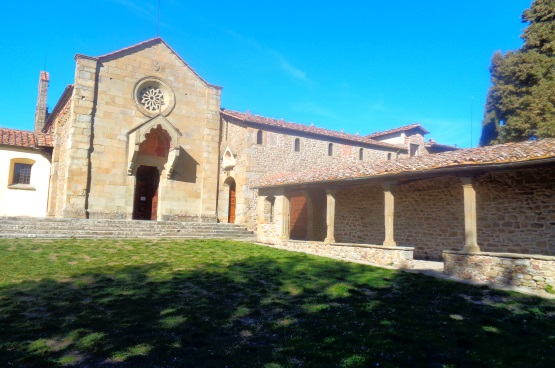
The Badia Fiesolana, a historic religious complex associated with the European University Institute, lies beyond the central square. It is architecturally interesting, but access may depend on institutional activities or opening arrangements. Treat it as an optional addition rather than assuming every room is open to visitors. Respect signs and private areas.
Other churches and historic buildings are scattered around the town. Their appeal is often in the setting as much as in a long interior visit. Visitors with limited time should prioritise the archaeological area and viewpoint, then add the cathedral or museum according to interest and opening hours.
Where to find the view over Florence
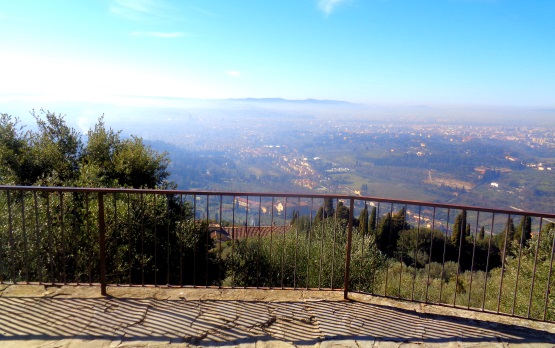
Many visitors come to Fiesole for the panorama. From Piazza Mino, walk uphill toward the convent and the viewpoint area. The climb is short but steep in places. On a clear day, the view takes in Florence’s historic centre, the cathedral dome and the surrounding hills. Atmospheric haze can reduce visibility, particularly on hot afternoons, so morning or late afternoon may offer clearer light.
Take care when choosing where to stop for photographs. Stay on public paths and avoid blocking residents or traffic. The viewpoint is not a substitute for exploring the town; leave time for the archaeological site or a relaxed meal. If you want a city panorama without leaving Florence, see our page about Piazzale Michelangelo.
How long to spend in Fiesole
A short visit of two to three hours can cover the bus journey, the square, cathedral, archaeological area and viewpoint, depending on queues and opening times. A slower half-day gives more time for the museum, lunch and a walk through the streets. If the Bandini Museum or Badia Fiesolana is important to you, check opening times first and plan the visit around them.
Fiesole can be combined with a morning or afternoon in Florence, but avoid scheduling a tight connection. Bus delays, a longer museum visit or a break at a café can affect your return. If you are travelling to a timed attraction in Florence, leave a generous buffer. For city planning, browse our guides to the Florence Cathedral, Uffizi Gallery and Florence’s main sights.
Compare Florence tours and tickets
Some visitors combine Fiesole with a guided activity in Florence. Check the actual location, route and inclusions of each offer; not every Florence activity visits Fiesole.
Food, services and practical advice
Fiesole has cafés and restaurants near the centre, but the choice is smaller than in central Florence. If you have dietary needs, check menus or contact the restaurant ahead of time. Lunch service may follow local hours, and some venues close between lunch and dinner. Carry a small snack if you are travelling with children or plan to stay until late afternoon.
Public toilets and visitor services may be limited compared with Florence. Use facilities at cafés or museums where available, and ask before relying on a specific location. Bring cash or a payment card, but do not assume every small business accepts every card type. Keep valuables secure on the bus and in crowded areas as you would elsewhere in Italy.
Summer can be hot and exposed sections of the archaeological area offer limited shade. Wear a hat and comfortable shoes, and carry water. In rain, stone paths and steps may become slippery. On cooler days, the hilltop can feel breezier than Florence, so a light layer is useful.
Where to stay: Florence or Fiesole?
Most visitors stay in Florence because it has more accommodation, restaurants and transport connections. Fiesole is quieter and can suit travellers who want a hill setting, but the evening bus timetable and distance from central sights matter. Check the exact accommodation location, access to the bus stop, parking and cancellation policy before booking. A property described as “near Florence” may still require a steep walk or a car.
Compare accommodation around Florence
Compare central Florence with quieter places in the hills. Check public transport, walking access and the final price for your dates.
Frequently asked questions about Fiesole
Is Fiesole worth a day trip from Florence?
Yes, especially if you are interested in Roman archaeology, views and a quieter hill town. It is close enough for a half-day outing, but check museum hours before choosing your date.
How do I get to Fiesole by bus?
Urban bus line 7 connects Florence with Piazza Mino da Fiesole. Check current stops and schedules with the operator. The Florence urban ticket is valid on urban buses serving Fiesole; the fare became €2 in August 2026 and the ticket is valid for 90 minutes.
Can I see Fiesole without entering a museum?
Yes. You can walk around Piazza Mino, visit the cathedral if open and go to a viewpoint. The Roman theatre and archaeological remains are within the paid site.
Is Fiesole suitable for visitors with limited mobility?
Some central areas are manageable, but the viewpoint and archaeological site include slopes, steps or uneven surfaces. Contact the site before travelling to confirm current accessible routes and facilities.
What is the best time to visit?
Choose a day when the sights you want to see are open. Clear mornings can offer good views, while spring and autumn are often more comfortable for walking. Check the forecast and current timetable.
Summary
Fiesole is an easy excursion from Florence with a distinctive combination of Roman archaeology, a historic centre and views across the city. The bus makes the trip straightforward, while the uphill paths mean that comfortable shoes and realistic timing are worthwhile. Check ticket prices, opening hours and bus service shortly before departure, then choose the archaeological area, museum and viewpoints that best fit your interests.