Veneto is a diverse region in north-eastern Italy. Venice and its lagoon are its most famous destination, but the region also includes Verona, Padua, Vicenza, Treviso, the eastern shore of Lake Garda, the Adriatic beaches and part of the Dolomites. Visitors can choose between a city break, a beach holiday, a wine and food trip or a mountain stay.
The region’s highlights are spread across a wide area. Venice is not a convenient base for exploring the Dolomites, and a Lake Garda holiday is different from a visit to the historic cities. For a first trip, combine Venice with one nearby city or choose a separate lake or mountain base. This guide introduces the main areas and explains how to plan travel, accommodation and activities.
Veneto at a glance
- Location: north-eastern Italy, from the Alps to the Adriatic Sea
- Capital: Venice (Venezia)
- Main cities: Venice, Verona, Padua, Vicenza and Treviso
- Landscape: lagoon, coastline, plains, hills, lakes and Dolomite mountains
- Good for: art and history, city breaks, beaches, food, wine and hiking
- Getting around: trains for major cities; car or bus for some rural and mountain areas
- Suggested stay: 3 days for Venice; 5–8 days to combine several areas
Where is Veneto?
Veneto lies in the north-east of Italy. It borders Austria and the Trentino-Alto Adige region to the north, Lombardy to the west, Emilia-Romagna to the south and Friuli-Venezia Giulia to the east. The Dolomites rise in the north, while the Po plain and Adriatic coast occupy much of the south and east.
Venice sits in a lagoon on the Adriatic. Verona lies inland near Lake Garda; Padua and Vicenza are also important historic cities. Treviso and the Prosecco hills are north of Venice, while the Po Delta is in the south. Distances between these destinations make it useful to plan by area.
Best places to visit in Veneto
Venice and its lagoon
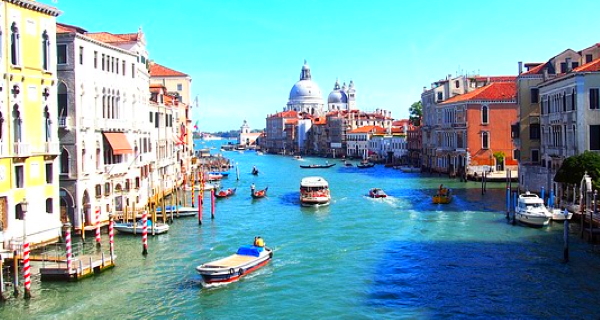
Venice is the region’s best-known city and a UNESCO World Heritage property together with its lagoon. Its canals, bridges, churches and palaces form a distinctive urban landscape. St Mark’s Square, the Doge’s Palace, the Rialto area and the Grand Canal are central sights, but exploring quieter neighbourhoods is also part of the visit.
For a first visit, allow at least two full days. Add more time if you want to visit islands such as Murano, Burano or Torcello. Water buses are useful for longer journeys, while walking reveals smaller streets and neighbourhood squares. Use current official information for boat routes, museum hours and any visitor requirements that apply on your dates. These rules can change.
Our separate Venice travel guide covers the city in detail. A night in Venice allows you to explore early and later in the day, when many day visitors have left. Mestre and other mainland areas can be less expensive, but require extra travel time to the historic centre.
Verona: Roman arena and historic centre
Verona is a compact city with Roman, medieval and Renaissance sights. The Arena is a Roman amphitheatre still used for performances, and Piazza Bra and Piazza delle Erbe are natural starting points for a walk. The old town is easy to explore on foot, although it can be busy in peak season and during major events.
One full day covers the main centre, while two days allow time for museums, viewpoints and a slower schedule. If you are visiting for an opera performance, check the event calendar, seating and transport after the show. Verona is also a useful gateway to the southern end of Lake Garda.
Padua: art, university and religious history
Padua (Padova) is known for its university, historic squares, churches and the Scrovegni Chapel, which contains important frescoes by Giotto. Timed tickets or advance reservations may be required for some attractions, so check the current visitor information before travelling. The city is connected by frequent trains with Venice and Verona, making it a practical day trip or overnight stop.
Padua offers a less lagoon-focused city experience. Walk through the centre, visit the markets around Piazza delle Erbe and Piazza della Frutta, and allow time for the main church and botanical garden. If you are combining it with Venice, check train times and the location of the station relative to your hotel.
Vicenza and the Palladian villas
Vicenza is closely associated with architect Andrea Palladio. The city’s buildings and the Palladian Villas of the Veneto are included in a UNESCO World Heritage property. The Basilica Palladiana, Teatro Olimpico and historic centre are key sights. Some villas are outside the city and have limited opening times, so check access and transport before planning a visit.
Vicenza works well as a day trip from Venice, Padua or Verona. If architecture is a main interest, staying overnight gives more time for the city and surrounding villas.
Treviso and the Prosecco hills
Treviso has canals, a historic centre and a slower pace than Venice. North of the city, the hills of Conegliano and Valdobbiadene are associated with Prosecco wine production. Visitors can tour wineries, but visits typically need advance booking. Check whether tastings are included, which languages are offered and how you will travel between vineyards.
A car or organised excursion is often useful for the countryside. If wine tasting is part of the plan, do not drive after drinking; arrange a driver or tour. The hills are also a scenic area for walking and cycling, but choose routes suited to the season and terrain.
Lake Garda: beaches, towns and outdoor activities
The eastern shore of Lake Garda belongs to Veneto, while other shores are in Lombardy and Trentino-Alto Adige. Towns such as Peschiera del Garda, Lazise, Bardolino and Malcesine are popular for lakeside walks, boat trips, cycling and water sports. The landscape changes from southern beaches to steeper northern shores.
Our guides to Lake Garda and Sirmione cover nearby destinations. For an eastern-shore stay, choose a town based on the kind of holiday you want: family beaches, ferry access, hiking or a historic centre. Summer roads can be congested, so compare ferry, bus and train options.
Adriatic beaches and the Po Delta
Veneto’s Adriatic coast includes beach resorts such as Jesolo, Cavallino-Treporti, Caorle and Bibione. These are mainly seasonal destinations, with beach facilities and entertainment concentrated in warmer months. Check whether your accommodation is close to the beach and what services cost. The Po Delta, farther south, offers wetlands, waterways and birdwatching areas, with a quieter nature-focused experience.
Public transport connections vary by resort and season. A car can help with rural areas and the Po Delta, but parking near busy beaches may be limited. Check local bus and shuttle services if you are travelling without a car.
The Dolomites and mountain destinations
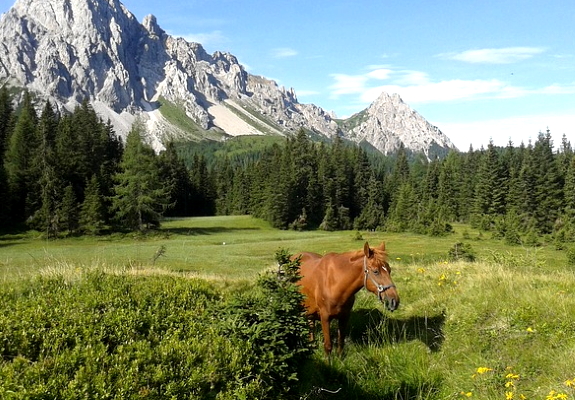
Northern Veneto includes part of the Dolomites, with mountain towns, hiking routes and winter sports. Cortina d’Ampezzo is one of the best-known resorts, while other valleys offer different landscapes and activities. In summer, check trail conditions, lift schedules and weather. In winter, confirm snow conditions, resort opening dates and road requirements.
Mountain travel needs more planning than a city break. Some trailheads and villages have limited public transport; a car or transfer may be necessary. Choose walks according to ability and carry suitable clothing, water and navigation. Weather can change quickly at altitude.
Food and drink in Veneto
Veneto’s food varies between coast, lagoon, plains and mountains. Venice is associated with small cicchetti snacks, seafood and risotto. Verona has local pasta and rice dishes, while the inland towns offer regional cheeses, cured meats and polenta. The Prosecco hills are known for sparkling wine, and several areas produce wines with their own distinct styles.
Menus change by season and location. At a restaurant, ask which dishes are local and whether a fish dish is from the lagoon or elsewhere. In wine areas, reserve tastings in advance and confirm transport. For a simple food-focused day, a market visit and lunch in a historic town may be easier than fitting in several cellar stops.
When to visit Veneto
Spring and early autumn are comfortable for city sightseeing and countryside visits. Summer brings beach weather and long days, but Venice and Lake Garda can be crowded and hot. Reserve accommodation and timed-entry attractions early. If you visit Venice during a period with special access rules, check the official city information for the applicable dates and requirements.
Winter is quieter in many cities and can be atmospheric in Venice, but fog or cold weather may affect travel. Mountain resorts have winter sports seasons, while beach towns reduce services outside summer. Shoulder seasons can offer a balance of milder weather and fewer visitors, although opening schedules vary.
How to get to Veneto
Venice has an international airport, while Verona and Treviso airports serve other parts of the region. Rail connections link Venice with Padua, Vicenza and Verona, and high-speed services connect the region with other Italian cities. Check the airport-to-station transfer and onward connections before booking, particularly for late arrivals.
For Dolomite resorts, travel may involve a train to a nearby town followed by a bus or transfer. Check the final leg carefully, since mountain services can be seasonal or infrequent. If your plan includes multiple villages or trailheads, a rental car may be more flexible.
Getting around Veneto
Trains are useful for city-to-city journeys, especially Venice, Padua, Vicenza and Verona. In Venice, most travel in the historic centre is on foot or by water bus. The islands require additional boat time, so do not schedule too many in a single day. Lake Garda and the mountains need a separate transport plan using ferries, buses, lifts or a car, depending on the destination.
Driving is helpful for winery visits, rural villages, the Po Delta and some mountain routes. Historic centres may have restricted-traffic zones, and parking can be expensive or full. Confirm access with your accommodation. In high season, train and ferry combinations may be easier than driving to the busiest lake towns.
Where to stay in Veneto
Stay in Venice if you want early and late access to the historic centre; choose Mestre for mainland accommodation and rail access. Verona suits an urban break and Lake Garda day trips. Padua is convenient for art and rail connections. For beaches, stay in a resort town such as Jesolo or Caorle. For the Dolomites, choose a mountain base close to the lifts or trails you plan to use.
Do not try to see the entire region from one hotel. Venice to the mountains is a long transfer, and Lake Garda is a separate area. For a week, combine two bases that match your priorities. Check local transport, parking, seasonal services and distance from the station when comparing accommodation.
Venice tickets and experiences
Compare available tickets for Venice attractions, museums and boat experiences. Check the date, entry arrangement and what is included before booking.
Find accommodation in Veneto
Compare stays in Venice, Verona, Lake Garda, the beaches and the mountains. Select your preferred area and check transport links before booking.
Suggested itineraries
Three days: Venice
Spend two days exploring the historic centre and one day visiting one or two lagoon islands. Book major attractions in advance and check boat routes. A third day can also be used for Padua if you prefer a mainland city trip.
Five days: Venice, Padua and Verona
Stay two or three nights in Venice, then travel to Verona for one or two nights. Add Padua as a stop or day trip. This itinerary works well by train and focuses on cities rather than the mountains or beaches.
One week: city and lake or mountains
Spend three nights in Venice or Verona and the remainder at Lake Garda or in a Dolomite town. Choose one outdoor area rather than trying to visit the lake, beaches and mountains in the same week. Check seasonal transport before deciding the order.
Practical tips for first-time visitors
- Reserve timed-entry attractions well in advance for peak dates.
- Check current official visitor information for Venice, including access and transport rules.
- Use trains between major cities and check the station closest to your hotel.
- Allow extra time for islands, ferry connections and mountain transfers.
- Check lift, ferry and bus schedules by season.
- Ask wineries about reservations and plan safe transport for tastings.
- In summer, book beach accommodation early and confirm what beach services cost.
Is Veneto right for your trip?
Veneto suits visitors who want a choice of art cities, lagoon landscapes, beaches, lakes and mountains. It is easy to combine some cities by train, but the natural areas need their own bases and transport planning. A short stay works best when focused on Venice or Verona. With a week, add one nearby region rather than trying to cover every landscape.
Official information and further reading
For current destination information, visit the official Veneto tourism website. UNESCO’s overview describes Venice and its Lagoon. Continue with our guides to Verona, Lake Garda and Sirmione, and see our partner site’s Venice travel guide.
Planning distances and choosing the right base
For a first trip, divide Veneto into a city area and an outdoor area. Venice, Padua, Vicenza and Verona can be linked by train, so a rail-based city itinerary is realistic. Lake Garda, the Adriatic beaches, the Prosecco hills and the Dolomites each have different local transport needs. A single base may work for two nearby cities but will not make the far north and south convenient day trips.
In Venice, check the exact address of accommodation and how you will reach it from the station or airport. Many hotels are reached by walking over bridges with luggage, while mainland accommodation may require an extra train or bus. Consider luggage size, stairs and late arrival. For the islands, allow more time than a map distance suggests because water-bus routes and stops determine the journey.
For Lake Garda, choose the town according to whether you want a beach, ferry connections, hiking or an old town. The southern shore is generally easier to reach by train; other areas may need a bus or car. If visiting multiple towns, check boat schedules and the last return service. In July and August, road congestion and parking can add considerable time.
For the Dolomites, look at the hiking or ski area first, then book nearby accommodation. Check whether the lifts and buses are operating during your dates. Some villages are lively in winter but quiet during transition seasons. Drivers should check road conditions and winter equipment rules, while public transport users should verify connections from the nearest railway station.
For wine visits in the Prosecco hills, arrange a reservation and transport before arriving. A winery may be several kilometres from the nearest town, and visits are not always available without an appointment. If you prefer not to drive, look for an organised tour with a clear meeting point. Leave enough time to enjoy the countryside and a meal without rushing back to the city.