Welcome to Italy-Sights.info, an independent travel guide to the most beautiful and interesting places in Italy. From the ancient monuments of Rome to the Renaissance masterpieces of Florence, from the canals of Venice to the spectacular Amalfi Coast, Italy offers an extraordinary variety of attractions.
Italy is one of the world’s most popular travel destinations. Visitors come for its historic cities, famous museums, beautiful landscapes, Mediterranean beaches and excellent food. Few countries combine so many internationally important cultural monuments with such varied natural scenery.
Our travel guide focuses particularly on sightseeing, historic cities, museums, famous monuments and practical information for independent travellers. We introduce well-known attractions as well as smaller towns and places that are sometimes overlooked by international visitors.
Whether you are planning your first trip to Italy or have visited the country many times, our guides will help you discover interesting destinations and organise your sightseeing.
Discover Italy – The Most Important Travel Destinations
Italy has an exceptionally rich cultural heritage. Ancient Roman monuments, medieval towns, Renaissance palaces and magnificent churches can be found throughout the country.
For many international visitors, Rome, Florence and Venice are the three most important destinations. However, cities such as Milan, Naples, Bologna and Verona also offer outstanding attractions.
Italy at a Glance – Where to Start
- Rome: Top 10 sights in Rome, Colosseum and Vatican Museums.
- Florence: Main attractions in Florence, Uffizi Gallery and Florence Cathedral.
- Tuscany: Sights in Tuscany, Siena and Leaning Tower of Pisa.
- Northern Italy: Milan, Verona and Lake Garda.
- Southern Italy: Naples, Pompeii and the Amalfi Coast.
- Italian Riviera: Cinque Terre and Genoa.
Rome – The Eternal City
Rome is one of the most fascinating cities in the world. As the capital of the Roman Empire, it influenced the history of Europe and the Mediterranean region for centuries. Today, visitors can explore ancient ruins, magnificent churches, historic squares and internationally famous museums.
The city’s historic centre is filled with monuments from different periods. Ancient temples stand near Renaissance palaces, while Baroque fountains decorate lively squares.
The Colosseum and Ancient Rome
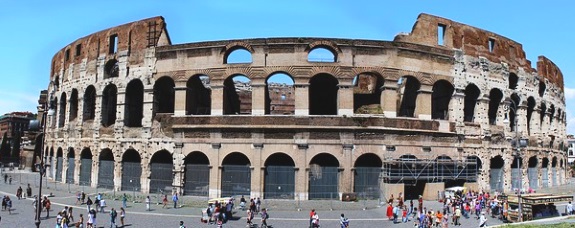
The Colosseum is probably the most famous monument in Italy. This enormous Roman amphitheatre was used for gladiatorial contests and other public spectacles.
Nearby, the Roman Forum was the political, religious and commercial centre of ancient Rome. Its ruins provide an extraordinary insight into everyday life in the Roman Empire.
Visitors interested in history can also read about ancient Rome, the history of the Colosseum and the impressive Pantheon.
Famous Squares and Fountains
Rome is also famous for its beautiful public squares. The Trevi Fountain is among the city’s most photographed attractions. According to a popular tradition, throwing a coin into the fountain is supposed to ensure a return to Rome.
Other highlights include the Spanish Steps, Piazza Navona and Campo de’ Fiori.
For an introduction to the city’s main attractions, see our guide to the top 10 sights in Rome.
The Vatican
Vatican City is located within Rome and is one of the world’s most important religious and cultural destinations.
The magnificent St Peter’s Basilica and St Peter’s Square attract visitors from around the world.
The Vatican Museums contain an extraordinary collection of paintings, sculptures and historic objects. One of their most famous attractions is the Sistine Chapel, renowned for Michelangelo’s ceiling frescoes.
Practical Information for Rome
Rome is a large city, and planning your sightseeing can save considerable time. Many attractions are within walking distance of one another, but public transport is useful for longer journeys.
Our practical guides include information about the Rome Metro, Roma Termini railway station, opening hours in Rome and prices in Rome.
Visitors arriving by car can also consult our guide to parking in Rome.
Florence – The Heart of the Renaissance
Florence is one of Europe’s most important art cities. During the Renaissance, the city became a centre of painting, sculpture, architecture and intellectual life.
Artists such as Michelangelo, Leonardo da Vinci and Botticelli helped make Florence internationally famous. Today, many of their works can be admired in the city’s museums and churches.
Our overview of the main sights in Florence is an excellent starting point for planning a visit.
Florence Cathedral
The enormous Florence Cathedral, also known as the Duomo, dominates the city’s historic centre.
Its famous dome, designed by Filippo Brunelleschi, is one of the greatest achievements of Renaissance architecture.
Visitors can also explore Giotto’s Bell Tower, the historic Baptistery and the Cathedral Museum.
The Uffizi Gallery and Famous Museums
The Uffizi Gallery is one of the world’s most important art museums. Its collection includes famous Renaissance paintings and masterpieces by Botticelli, Leonardo da Vinci and other artists.
Another major attraction is the Accademia Gallery, where visitors can admire Michelangelo’s David.
Other interesting museums include the Bargello Museum, Galileo Museum and Pitti Palace.
For more ideas, see our guide to museums in Florence.
Ponte Vecchio and the Historic Centre
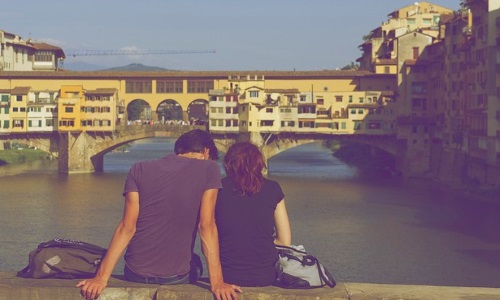
The Ponte Vecchio is one of Florence’s best-known landmarks. The medieval bridge crosses the River Arno and is famous for the jewellery shops built along it.
Other important places include Piazza della Signoria, the Palazzo Vecchio and the panoramic viewpoint at Piazzale Michelangelo.
Venice – Canals, Palaces and Historic Architecture
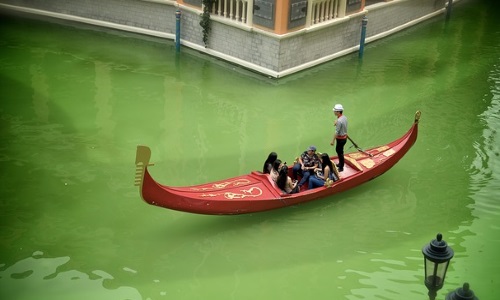
Venice is one of the world’s most unusual cities. Built on islands in a lagoon, its historic centre is famous for canals, bridges, magnificent palaces and narrow pedestrian streets.
For centuries, Venice was a powerful maritime republic and an important centre of trade between Europe and the eastern Mediterranean.
Today, visitors come to admire St Mark’s Square, the Doge’s Palace, the Grand Canal and the city’s many historic churches.
One of the most enjoyable ways to discover Venice is simply to walk through its smaller streets and squares. Away from the busiest tourist routes, visitors can still experience quieter neighbourhoods and traditional Venetian architecture.
Visitors arriving by car should plan their parking arrangements in advance. Our guides explain parking in Venice and introduce options such as Tronchetto parking, Autorimessa Comunale and Fusina parking.
Tuscany – Historic Towns and Beautiful Landscapes
Tuscany is one of Italy’s most famous regions. Its landscape is characterised by rolling hills, vineyards, olive groves and historic towns.
Florence is the region’s best-known city, but Tuscany offers many other outstanding destinations.
Our guide to the sights of Tuscany provides an overview of important attractions.
Siena
Siena is famous for its remarkably well-preserved medieval centre.
The enormous Piazza del Campo is one of Italy’s most beautiful public squares. It is surrounded by historic buildings, including the Palazzo Pubblico.
The impressive Siena Cathedral is another highlight, with elaborate marble decoration and important works of art.
Pisa and Lucca
Pisa is internationally famous for the Leaning Tower of Pisa. The tower stands beside the impressive Pisa Cathedral and its historic Baptistery.
Nearby Lucca is a charming historic city surrounded by impressive Renaissance walls. Visitors can explore the city walls, the unusual Piazza dell’Anfiteatro and the Cathedral of Lucca.
The Tuscan Coast
Tuscany also has attractive seaside destinations. Popular coastal towns include Viareggio, Follonica and San Vincenzo.
Visitors looking for a combination of beaches, historic towns and countryside can easily spend several weeks exploring the region.
Northern Italy – Milan, Verona and the Italian Lakes
Northern Italy offers an extraordinary combination of historic cities, Alpine scenery and beautiful lakes.
Milan
Milan is Italy’s leading business and fashion centre, but it also has important historic and cultural attractions.
The magnificent Milan Cathedral is one of Europe’s most impressive Gothic churches. Visitors can also explore the cathedral roof for views over the city.
Other major attractions include Leonardo da Vinci’s famous Last Supper, the historic La Scala opera house and the Leonardo da Vinci Museum.
Verona
Verona is a beautiful historic city known for its Roman amphitheatre, medieval architecture and associations with Shakespeare’s Romeo and Juliet.
The city is also a convenient destination for travellers visiting Lake Garda.
Lake Garda
Lake Garda is Italy’s largest lake and one of the country’s most popular holiday destinations.
The southern part is surrounded by attractive towns and relatively gentle landscapes, while the northern shores are framed by impressive mountains.
Popular destinations include Sirmione, Riva del Garda and Desenzano del Garda.
Lake Como and Lake Maggiore
Lake Como is famous for its dramatic mountain scenery, elegant villas and picturesque lakeside villages.
Popular destinations include Bellagio, Varenna and the city of Como.
Another beautiful destination is Lake Maggiore, where visitors can explore the famous Borromean Islands, including Isola Bella and Isola Madre.
Cinque Terre and the Italian Riviera
The Cinque Terre is one of Italy’s most famous coastal landscapes.
Five colourful villages are situated along the steep Ligurian coastline. They are connected by railway lines and, where open, hiking trails.
The five villages are Monterosso al Mare, Vernazza, Corniglia, Manarola and Riomaggiore.
The region is particularly popular with photographers, hikers and visitors who enjoy dramatic coastal scenery.
Further along the coast, the historic port city of Genoa offers interesting museums, old streets and one of Europe’s best-known aquariums, the Genoa Aquarium.
Naples, Pompeii and the Amalfi Coast
Southern Italy offers a fascinating combination of ancient history, spectacular coastal landscapes and lively cities.
Naples
Naples is one of Italy’s most distinctive cities. It is famous for its historic centre, traditional pizza, lively streets and proximity to several internationally important archaeological sites.
The National Archaeological Museum of Naples contains remarkable objects from ancient Pompeii and Herculaneum.
Pompeii and Mount Vesuvius
The ancient Roman city of Pompeii was buried during the eruption of Mount Vesuvius in AD 79.
Today, its excavated streets, houses, temples and public buildings provide a remarkable insight into Roman life.
Visitors can also explore nearby Herculaneum, another ancient town affected by the eruption.
The volcano itself is a popular excursion destination. Our guides explain Mount Vesuvius and bus connections to Vesuvius.
The Amalfi Coast
The Amalfi Coast is famous for its steep cliffs, colourful villages and spectacular views over the Mediterranean Sea.
Popular destinations include Positano, Amalfi and Ravello.
Nearby Sorrento is an attractive base for excursions along the coast and to the islands of the Gulf of Naples.
Capri and Ischia
The island of Capri is famous for its dramatic coastline, elegant atmosphere and the celebrated Blue Grotto.
Nearby Ischia is known for its volcanic landscapes, thermal springs and attractive coastal towns.
Practical Travel Information for Italy
Planning a sightseeing holiday in Italy involves more than choosing which attractions to visit. Opening hours, transport connections, ticket reservations and parking arrangements can all influence your itinerary.
Useful Italy Travel Guides
- Opening hours in Italy – Shops, businesses and typical opening times.
- Parking in Rome – Information for visitors arriving by car.
- Parking in Florence – Parking options and practical considerations.
- Parking in Venice – Where to leave your car before exploring the city.
- Parking in Milan – Useful information for drivers.
- Parking in Verona – Parking near the historic centre.
- Parking in Trieste – Options for visitors arriving by car.
Visiting Famous Attractions
Many of Italy’s best-known museums and monuments attract large numbers of visitors, particularly during the main holiday season.
For popular attractions such as the Colosseum, Vatican Museums and Uffizi Gallery, it is often advisable to check ticket availability before travelling.
Our guides include information about Colosseum opening hours, guided tours of the Colosseum and tickets for attractions in Florence.
Travelling by Train
Italy has an extensive railway network connecting major cities and many smaller towns.
High-speed trains are particularly convenient for travelling between destinations such as Rome, Florence, Bologna, Milan and Naples.
Regional trains are useful for shorter journeys and for exploring destinations such as the Cinque Terre and towns around the Italian lakes.
Travelling by Car
A car can be useful when visiting rural Tuscany, mountain regions and smaller towns with limited public transport.
However, driving in historic Italian cities can be challenging. Many city centres have restricted traffic zones, known as ZTL zones, where unauthorised vehicles may not enter.
Visitors should check local regulations and parking options before driving into unfamiliar cities.
Italy’s Natural Landscapes
Although Italy is especially famous for its historic monuments, the country also has remarkable natural attractions.
The Alps dominate much of the north, while the Apennine Mountains extend through the Italian peninsula.
Italy also has several famous volcanoes, including Mount Vesuvius and Mount Etna.
Our articles about the highest volcanoes in Italy, highest mountains and largest lakes introduce some of the country’s most impressive natural features.
Wildlife in Italy
Italy is home to a wide variety of animals, from Alpine wildlife to marine species in the Mediterranean Sea.
Visitors interested in nature can read about bears in Italy, snakes, sharks and jellyfish.
Our practical articles also cover smaller animals that holidaymakers may encounter, including the tiger mosquito, ticks and weever fish.
When Is the Best Time to Visit Italy?
Italy can be visited throughout the year, although the best season depends on your destination and travel plans.
Spring
Spring is particularly attractive for sightseeing. Temperatures are often comfortable in cities such as Rome, Florence and Naples, while gardens and countryside landscapes become increasingly colourful.
Summer
Summer is the main holiday season along Italy’s beaches and lakes. Coastal resorts are lively, and mountain destinations attract hikers and outdoor enthusiasts.
However, major cities can become very hot, and popular attractions are often crowded.
Autumn
Autumn is an excellent season for cultural trips, particularly in September and October. Temperatures are often pleasant, and many destinations become quieter after the summer holidays.
Winter
Winter is ideal for skiing in the Alps and Dolomites. Major cities also remain interesting destinations, with museums, churches and historic monuments open during much of the year.
Visitors should check seasonal opening times, especially in smaller coastal resorts and mountain areas.
About Italy-Sights.info
Italy-Sights.info is an independent travel information project dedicated to the sights and attractions of Italy.
The website was launched in 2018 and has since expanded to include guides to major cities, famous monuments, museums, historic towns, coastal destinations and practical travel topics.
Our articles are intended primarily for independent travellers who want to organise their sightseeing and discover Italy beyond the most familiar tourist attractions.
We regularly expand and update our information. Nevertheless, admission prices, opening hours, transport services and local regulations may change. For important arrangements, we recommend checking current details with the relevant provider.
We hope our travel guides help you discover the remarkable history, culture and natural beauty of Italy.
Enjoy exploring Italy!