Siena is one of Tuscany’s most distinctive historic cities, known for Piazza del Campo, the Torre del Mangia and the striped marble Cathedral. Its medieval streets climb and dip across several hills, so the city feels different from flat, compact Florence. The main sights are close enough to visit on foot, but the steep lanes and stone paving make comfortable shoes essential.
This guide introduces the main attractions, explains how to plan a day in Siena and points out practical details about tickets, walking and seasonal events. Opening hours and admission prices vary by monument and date. The official tourism office recommends checking the relevant museum or cathedral website for current schedules and booking options. Visit Siena’s official visitor information
Why visit Siena?
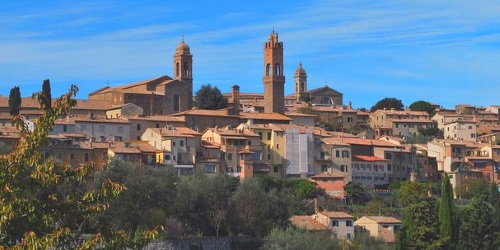
Siena preserves a dense medieval centre with narrow lanes, brick buildings, churches and small squares. Its historic rivalry with Florence shaped the city’s architecture and civic identity. Piazza del Campo remains the visual and social centre, while the Cathedral complex contains some of Tuscany’s most elaborate Gothic art.
The city is also known for the Palio, a historic horse race held in Piazza del Campo. The event takes place twice each year, on 2 July and 16 August, with preparations and celebrations extending beyond race day. These dates bring intense crowds, accommodation demand and transport changes. Visitors who want to attend should plan well ahead; those seeking a quieter visit may prefer other dates.
Siena is a rewarding day trip from Florence, but an overnight stay gives more time to explore in the early morning and evening. The historic centre is compact in distance, though its slopes make walking slower than the map suggests.
Piazza del Campo
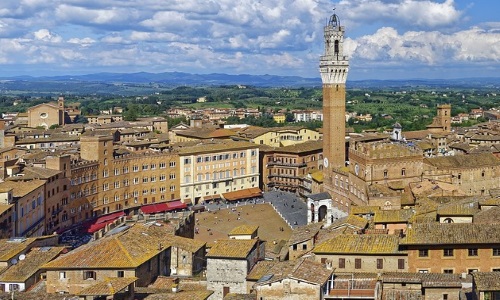
Piazza del Campo is Siena’s principal square and one of the most recognisable public spaces in Italy. Its shell-shaped paving slopes toward the Palazzo Pubblico. The square is divided into sections by pale stone lines and is surrounded by historic palaces, cafés and restaurants. It is an open public space, so visitors can enter without a ticket.
The Palazzo Pubblico has served as Siena’s town hall for centuries. Its Civic Museum displays important frescoes, including works that express ideas about good and bad government. The Torre del Mangia rises beside the palace and offers a panoramic view of Siena and the surrounding countryside. Tower access involves a substantial climb and may be subject to timed entry or weather conditions.
The square is most atmospheric early in the morning or later in the evening, when it is less crowded. During the day, visitors sit on the sloping paving, take photographs and watch the movement around the square. Be cautious on the smooth stone, especially after rain, and do not cycle through crowded areas.
See our detailed guide to Piazza del Campo for more information about the square and its buildings.
Torre del Mangia
The Torre del Mangia is the tall brick tower beside Palazzo Pubblico. Built in the fourteenth century, it was designed to stand at a similar height to the cathedral’s campanile, reflecting the balance between civic and religious power. The tower is named after Giovanni di Balduccio, nicknamed Mangiaguadagni, who served as its first bell-ringer.
Climbing the tower provides a close view over the roofscape, Piazza del Campo and the surrounding hills. The staircase is narrow and includes many steps, so it is not suitable for every visitor. Check current ticket availability, age rules and access conditions before planning to climb. If you do not want to climb, the square itself offers a memorable view of the tower from below.
Siena Cathedral
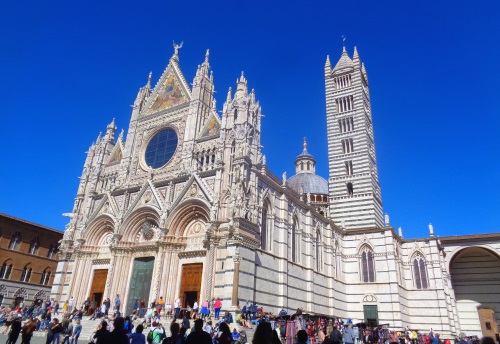
The Cathedral of Santa Maria Assunta is one of Tuscany’s most important churches. Its black-and-white marble stripes, sculpted façade and richly decorated interior make it a major sight in its own right. Inside, visitors can see works by artists including Nicola Pisano, Donatello and Pinturicchio, as well as the famous inlaid marble floor when it is uncovered.
>>> Cathedral Siena: Check available tickets and experiences at Tiqets
The cathedral complex includes more than the main church. Depending on the ticket and season, visitors may be able to see the Piccolomini Library, the Baptistery, the Crypt, the Museo dell’Opera and the panoramic route known as the Gate of Heaven. Some access is seasonal, and the floor is uncovered only during a set period. Check the official Opera del Duomo schedule before buying a pass. In 2026, the official tourism information notes an extended floor-uncovering period through 15 November. the official Opera del Duomo schedule
The cathedral is an active place of worship. Dress appropriately and be quiet inside. Tourist access can be restricted during services or special events. Ticket options and included monuments can differ, so read the pass description carefully before purchasing.
Other sights in the historic centre
Santa Maria della Scala
Opposite the cathedral is Santa Maria della Scala, a former hospital complex that now houses museums and exhibition spaces. Its history is closely tied to pilgrims, the care of the sick and the civic life of Siena. The building is large, and different exhibitions can take more time than expected. Check the current visitor route and hours before entering.
Basilica of San Domenico
The Basilica of San Domenico is associated with Saint Catherine of Siena. Its austere brick exterior contrasts with the more elaborate cathedral. Inside, visitors can see chapels and artworks connected with the saint. Religious services may affect access, so observe notices and behave respectfully.
Sanctuary of Saint Catherine
The sanctuary is a collection of buildings associated with Catherine Benincasa, who became Saint Catherine of Siena. The site includes chapels and spaces connected with her life. It lies within the historic centre, but visitors should check current access arrangements and service times.
Pinacoteca Nazionale
The National Picture Gallery of Siena presents paintings from the Sienese school, including works from the medieval and Renaissance periods. It is a good option for visitors interested in the city’s artistic development beyond the cathedral. Confirm opening days and last admission on the museum’s official site.
Walking around Siena
Siena’s historic centre is largely pedestrian-friendly but not flat. Streets rise steeply between the city’s hills, and many surfaces are paved with stone. Wear comfortable shoes with good grip. If you have mobility limitations, map routes between sights carefully and check whether lifts or accessible entrances are available. A route that looks short on a map may involve a steep climb.
Follow signs to Piazza del Campo and the Duomo, but allow yourself time to explore side streets. Small neighbourhood squares and viewpoints can be rewarding, though some are away from the main flow. Respect residential doorways and quiet areas, especially in the evening.
Siena’s historic centre is a restricted traffic zone. Visitors should not drive into the centre without clear authorisation. If arriving by car, use designated parking areas outside the restricted zone and continue on foot, by escalator or local transport where available. Confirm the parking route before arrival.
How to get to Siena
Regional buses from Florence can be faster than trains because Siena’s railway station sits below the historic centre. Trains are also an option, but allow time to reach the old town from the station. Check current schedules and compare the arrival point with your accommodation or first attraction.
For day trips, buy tickets in advance when travelling at busy times and verify the return timetable. The Palio dates and major holidays can affect capacity. If you are travelling with luggage, consider whether the bus or train is more practical for your route.
Food and local specialities
Siena is known for sweets such as panforte, ricciarelli and cavallucci. These can be found in bakeries and speciality shops throughout the centre. Tuscan dishes such as pici pasta, ribollita and local cured meats also appear on restaurant menus. Prices vary by location, so read the menu before sitting down, particularly around Piazza del Campo.
Restaurants may operate separate lunch and dinner services, and some close between meals. A café or bakery is useful for a quick lunch if you are trying to fit several sights into a day. If you have dietary needs, ask about ingredients and preparation.
Best time to visit Siena
Spring and autumn are comfortable seasons for walking, with milder temperatures than the hottest summer weeks. Summer brings long daylight and a lively atmosphere but also heat and more visitors. Winter is quieter, though daylight is shorter and some attraction schedules may be reduced.
The Palio takes place on 2 July and 16 August. The races are major local events, and the city becomes exceptionally busy around them. If you want to attend, plan travel and accommodation well in advance and learn the rules for accessing the square. If you prefer to see Siena without event crowds, choose dates outside the Palio period.
Compare Siena tours and tickets
Check current guided visits and attraction offers. Confirm the meeting point and whether cathedral or museum admission is included.
Where to stay in Siena
Staying inside or near the historic centre lets you explore before day-trippers arrive and after they leave. Accommodation outside the walls may be more accessible by car, but check the route, parking and uphill walk. If you are arriving by train, compare the distance from the station and whether local transport is convenient.
Find accommodation in Siena
Compare hotels and guesthouses by location, parking, access and total price for your dates.
Frequently asked questions
Can I visit Siena as a day trip from Florence?
Yes. Many visitors come for the day, but an overnight stay allows more time and a quieter experience. Check transport times and the distance from the station to the centre.
Is Piazza del Campo free?
The square is a public space and can be visited without a ticket. The Civic Museum and Torre del Mangia require admission.
Do I need a ticket for Siena Cathedral?
Access rules depend on the date, service schedule and which parts of the complex you want to visit. Check the official Opera del Duomo information.
When is the Palio?
The races are held on 2 July and 16 August. Events around these dates make the city especially busy.
Is Siena easy to explore on foot?
The centre is walkable, but the hills, steps and stone paving can be demanding. Wear supportive shoes and allow extra time.
Map and video
The map below shows the centre of Siena and can help with orientation. Use a current navigation app for precise walking directions and access information.
Video impression of Siena
Planning a first visit
For a first visit, start early at the Cathedral or Piazza del Campo, depending on your interests and the opening schedule. The Cathedral complex may have a seasonal feature or timed access that makes advance planning important. If you prefer a slower day, choose two major interiors and spend the remaining time walking through neighbourhood streets.
Keep the city’s geography in mind. The centre is compact but built over hills, and the route between two nearby sights can include a steep climb. Use a map to identify gentler streets and allow breaks. Taxis can help with luggage or a difficult uphill section, but most central streets are best explored on foot.
Before leaving, check the return transport schedule if you are on a day trip. Trains and buses use different stations and departure points. Arriving at the stop a few minutes early is sensible during busy weekends and event dates.
For a more detailed visit, choose one museum or church beyond the main square and cathedral. Siena’s historic centre rewards unhurried exploration, and the smaller lanes often reveal architectural details that are missed when walking only between headline sights.
Conclusion
Siena combines a distinctive medieval centre, an impressive cathedral and a strong civic identity. Begin at Piazza del Campo, explore the cathedral complex and then follow the lanes to the city’s churches and museums. Check opening schedules and ticket details for your date, allow for steep walks and plan carefully around the Palio. With a little time, Siena offers far more than a quick photograph of its famous square.