Scorpions can occur in parts of Tuscany, but they are generally small, secretive animals that hide under stones, bark, in wall gaps and other sheltered places. They are not animals that seek out people. Their presence can surprise visitors in rural accommodation or when moving stones and firewood, but routine travel in Tuscany does not normally involve close contact. This guide explains what is known about Italian scorpions, how to reduce accidental encounters and what to do if you are stung.
Which scorpions are found in Tuscany?
Italy has several native scorpion species, many historically grouped within the genus Euscorpius. Taxonomy has changed, and older sources may list fewer species or use names that have since been revised. Small dark scorpions associated with the Euscorpiidae family are the kind most commonly encountered in Italy. Exact species identification from colour or a casual photograph is unreliable, and occurrence varies by locality and habitat. For a travel safety page, it is more useful to understand the general behaviour than to rely on a fixed list of species.
Italian scorpions are not comparable to the medically dangerous species familiar from some desert regions. Stings from native European scorpions are generally expected to cause local pain, redness or swelling, but individual reactions differ and allergic or severe symptoms require medical attention. Avoid absolute claims that a sting is harmless. People with a history of severe allergy, young children and anyone with unusual symptoms should seek professional advice.
Where and when encounters happen
Scorpions are nocturnal or most active in low light and spend the day in sheltered places. They may hide beneath stones, wood, bark, garden debris or inside cracks in old walls. Rural homes with stonework, cellars, gardens and wood stores can provide suitable hiding places. This does not mean that a property is infested; an occasional animal may enter a building while seeking shelter or prey.
Warm weather can make outdoor activity more noticeable, but scorpions are present because of suitable habitat, not because tourists attract them. They do not jump or chase people. Most defensive stings happen when an animal is trapped against skin or handled accidentally. In cottages, agriturismi and campsites, shake out shoes and clothing that have been left on the floor or outdoors, and use a light when walking at night.
What to do if you see a scorpion
Do not touch or trap it with bare hands. Give it space and allow it to retreat. If it is inside accommodation, ask the host or property manager to remove it safely. Avoid moving stones or logs without gloves, and do not reach into a dark crack or pile of wood. Scorpions are beneficial predators of insects and do not need to be killed simply because one is seen.
If someone is stung
Most reported stings from native Italian scorpions cause local symptoms, but reactions differ. Wash the area and seek medical advice if pain is severe, symptoms spread, the person feels unwell or the affected person is a young child or has a history of serious allergy. Call Italy’s emergency number 112 for severe symptoms or an emergency. Do not rely on internet photographs to decide whether medical help is needed. A clear photograph taken from a safe distance may help identification, but do not try to catch the animal.
Medical recommendations can vary according to symptoms and circumstances. This page is general travel information, not a diagnosis or treatment protocol. Follow local emergency services or a clinician’s instructions. Avoid cutting, sucking or applying a tourniquet to a sting site. If uncertain, contact a medical professional or poison centre rather than attempting a home remedy.
Scorpions and accommodation
In old stone buildings, occasional wildlife may enter through gaps or remain in garden areas. This is not necessarily evidence of poor cleanliness. Keep sleeping areas clear of clutter, store shoes off the floor where practical and shake out clothing left outdoors. Use a light at night in gardens and avoid walking barefoot in areas with loose stones. These precautions also reduce contact with insects and sharp objects.
Scorpions are more likely to avoid people than to approach them. They do not jump at visitors, and they are not typically aggressive. Most accidental contact happens when an animal is squeezed or trapped. Keeping a calm distance is safer than trying to crush or capture it.
Where to stay in Tuscany
Compare location, cancellation terms and transport access before choosing accommodation. Check the address against your plans.
How to behave around wildlife
Stay on paths where possible, look before placing hands or feet and avoid reaching into holes, dense plants, stone piles or wood stores. Do not pick up, trap or kill an animal for a photograph. Give it space and allow it to retreat. If an animal is inside a holiday home, contact the host or property manager. Most problems arise from accidental contact or attempts to handle wildlife, so a calm distance is the most useful precaution.
At rural accommodation, shake out shoes, towels and clothing left outdoors or stored for a long time. Use gloves when moving firewood, stones or garden objects. Use a torch at night in gardens, cellars and sheds. These are ordinary precautions in countryside settings and do not imply that visitors should avoid nature or rural accommodation.
Children, pets and outdoor activities
Explain a simple rule to children: look, tell an adult and do not touch. Adults should supervise children around stone walls, wood piles and dense vegetation. Keep dogs under control and prevent them from investigating holes or approaching snakes. A pet that may have been bitten or stung should be assessed by a veterinarian promptly. Do not try to identify an animal by handling it.
For hikes, wear footwear appropriate for the terrain, carry a charged phone and let someone know your route if you are walking alone. Stay on marked paths, especially in unfamiliar areas. Avoid sitting directly on dry vegetation or loose stones without checking. If you encounter an animal, stop, give it a way to move away and wait until the path is clear.
When to get professional help
After a suspected bite or sting, seek professional medical advice if symptoms are severe, worsening or unusual, or if the affected person is a child or has a serious allergy. Call Italy’s emergency number 112 for severe symptoms or an emergency. Do not delay care to catch or photograph an animal. If a photo can be taken safely from a distance, it may help an expert, but identifying the species is not more important than getting help.
Do not cut or suck a wound, apply a tight tourniquet or follow unverified home remedies. First aid recommendations depend on the animal and the person’s symptoms. Follow the emergency dispatcher or clinician’s instructions. This guide is general travel information and cannot diagnose an injury or replace medical care.
Common myths and realistic expectations
Online stories can make every encounter sound dangerous, while overly reassuring accounts can dismiss symptoms that need attention. Both extremes are unhelpful. Most native wildlife avoids people, but a bite or sting can still require assessment. A mark on the skin does not prove which animal caused it, and a quick visual identification from a photograph can be wrong. Focus on prevention, distance and timely professional advice if symptoms arise.
Tuscany’s countryside contains diverse wildlife, and seeing an animal from a respectful distance can be part of a nature trip. The aim is not to remove all wildlife from the landscape. Simple habits reduce accidental contact and let animals remain undisturbed. Visitors can enjoy walks, gardens and rural stays without searching every corner for hazards.
Further planning
Wildlife information is often useful alongside practical trip planning. Check the local weather and trail conditions before a walk, and choose routes suitable for your experience and mobility. Carry water and use sun protection in warm weather. For general things to do in the region, see our guides to Florence sights, Florence museums and Prato. Pick activities that fit the location rather than traveling long distances solely for a short walk.
Understanding risk without alarm
Scorpion stories can sound frightening because these animals possess a stinger and venom. The relevant question for visitors is how likely a serious encounter is and how to behave. Native Italian scorpions are generally shy and avoid people. They use venom mainly to subdue prey and as a defence when trapped. This does not make a sting impossible, but it puts ordinary sightings into perspective. A scorpion seen on a wall is not pursuing a person.
Species counts in older travel articles can be misleading because taxonomy changes and researchers split or rename groups. A number cited without a date may no longer reflect current classification. The European scorpions most often discussed in Italy belong to small-bodied families, and their distribution can vary from one locality to another. Do not try to identify a specimen by colour alone. If a property manager needs help identifying one, an expert or local naturalist can provide more reliable information.
Protecting wildlife and your stay
Scorpions are part of the food web and eat insects and other small invertebrates. Their presence outdoors is a normal part of Mediterranean ecosystems. Avoid insecticides or improvised traps unless a qualified professional recommends them. In accommodation, report repeated indoor sightings to the host so that gaps or access points can be checked. A single animal does not by itself indicate that a room is unsafe.
Before putting on shoes stored outside, look inside and shake them gently. Use gloves to move wood, stones or garden materials, and avoid placing bare hands into wall cracks. These habits are sensible for many outdoor hazards. If you are camping, keep clothing and bedding off the ground where possible and close bags or tents when not in use.
Children, pets and nature walks
Teach children to observe wildlife without touching it. If a scorpion is spotted, keep them back and ask an adult or host to handle the situation. Pets may sniff under rocks or into wood piles, so supervise them around such places. If a pet is stung, contact a veterinarian promptly, especially if the animal develops swelling, pain or unusual behaviour.
On walks, use a torch after dark and wear closed shoes. Do not sit or reach into places you cannot see. If you want to photograph a scorpion, use zoom rather than moving closer. The goal is not to eliminate every chance of seeing wildlife; it is to prevent a surprising close contact while letting the animal retreat.
Plan other activities in Tuscany
If you are adding cultural visits to your trip, compare current tickets and experiences in Florence. Check the date and inclusions before booking.
Further information
Species descriptions and medical responses can vary. For a serious reaction, contact emergency services or a clinician. The Italian Ministry of Health provides public health information.
Practical summary
Scorpions may be present in Tuscany, particularly in sheltered outdoor places, but they are shy and usually avoid people. Do not handle them; shake out shoes and clothing left outdoors and use gloves when moving stones or wood. A sting may cause local symptoms, and serious or worsening reactions need professional assessment. Call 112 in an emergency and follow medical advice.
Scorpion behaviour and identification
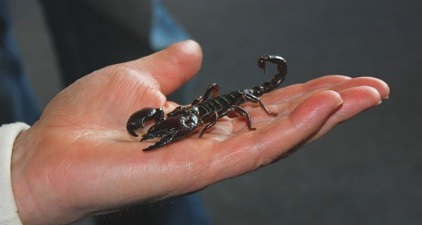
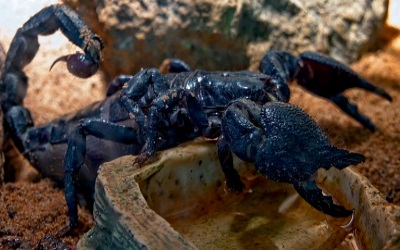
Scorpions are arachnids, like spiders and ticks, but belong to a different order. They have pincers and a segmented tail ending in a stinger. The tail is used for defence and for subduing prey, but a scorpion generally prefers to hide or move away from a larger animal. Small European species vary in colour from yellowish brown to dark brown or black. Colour, size and the number of visible markings are not enough for a reliable species identification, particularly in dim light.
Many species fluoresce under ultraviolet light, which is why people sometimes use UV torches to search for scorpions. This is not necessary for ordinary visitors and can encourage people to move closer to wildlife. If you are curious, observe an animal from a safe distance and avoid turning a holiday evening into a search. A scorpion that is not disturbed is unlikely to create a problem.
When a sting needs attention
Local discomfort after a sting may include pain, redness or swelling, but the reaction can vary. Seek medical advice if symptoms are pronounced, worsening or if the person feels generally unwell. Emergency help is appropriate for breathing difficulty, faintness, a widespread allergic reaction or other severe symptoms. People with known allergies and parents of young children should use a lower threshold for professional advice. Do not rely on an online species guess to decide that medical help is unnecessary.