 Posted by
 Are there ticks in Italy? Yes. Ticks are widespread throughout the country and can be encountered in forests, grassland, mountain areas, parks and other places with vegetation. For most tourists spending their holiday in Italian cities or at the beach, ticks are not a major problem. The risk becomes more relevant when hiking, camping, walking through long grass or spending time in rural and wooded areas.
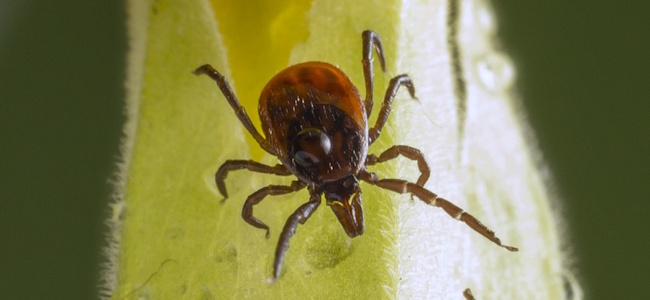
Italy has around 36 known tick species. The most important for humans include the castor bean or wood tick (Ixodes ricinus), the brown dog tick (Rhipicephalus sanguineus), Hyalomma marginatum and Dermacentor reticulatus. Ticks themselves are not poisonous, but infected ticks can transmit diseases.
Our Tip: Book accommodations in Italy easily via Booking.com: real reviews, large selection, fair prices, and flexible cancellation.
For travelers, the two best-known tick-borne diseases are Lyme disease and tick-borne encephalitis (TBE). However, the risk is not the same throughout Italy. TBE is particularly relevant in parts of northeastern and northern Italy, while other tick-borne infections are also found farther south.
Where Are Ticks Found in Italy?
Ticks do not jump from trees onto people. They normally wait relatively close to the ground on grass, leaves and low vegetation until a suitable animal or person brushes past.
Typical tick habitats include:
- deciduous and mixed forests;
- forest edges;
- meadows and long grass;
- bushes and scrub;
- shaded and humid vegetation;
- mountain hiking areas;
- rural paths;
- parks and gardens.
Ticks are not restricted to wilderness. The Italian Ministry of Health notes that ticks associated with Lyme disease can also occur in suburban and urban environments, including city parks.
This is important for tourists: you do not have to be trekking through a remote Alpine forest to encounter a tick.
Tick Risk in Italy by Region
Ticks can be found from the Alps to Sicily, but the disease risk varies considerably by region. In particular, it is important not to confuse the presence of ticks with the presence of TBE.
| Area | Ticks | What tourists should know |
|---|---|---|
| Dolomites | Yes | Relevant for hikers; TBE risk exists in parts of northeastern Italy |
| Lake Garda | Yes | Ticks possible on hiking trails, in woodland and long grass |
| South Tyrol | Yes | Outdoor travelers should take normal precautions |
| Veneto | Yes | One of the more important regions for Lyme disease and TBE |
| Friuli-Venezia Giulia | Yes | Important region for Lyme disease and tick-borne infections |
| Tuscany | Yes | Ticks possible in forests, countryside and grassy areas |
| Rome & Lazio | Yes | Ticks occur even in some parks and natural areas around Rome |
| Sardinia | Yes | Ticks occur; Mediterranean spotted fever is more relevant than TBE |
| Sicily | Yes | Ticks occur; Mediterranean spotted fever is relevant |
Ticks in Northern Italy
Northern Italy is particularly important for travelers because some of the country’s best-known hiking destinations overlap with areas where tick-borne diseases occur.
Ticks can be encountered in Veneto, Friuli-Venezia Giulia, Trentino-Alto Adige, Lombardy, Liguria, Piedmont and Emilia-Romagna.
Historical Italian surveillance data for Lyme disease show that Friuli-Venezia Giulia, Liguria, Veneto, Emilia-Romagna and Trentino have been among the more affected areas, while reports from central and southern Italy and the islands were much more sporadic.
Top Experiences in Italy
While you’re in Italy, don’t miss the most popular tours and attractions. Many sell out in advance, especially in high season.
Ticks in the Dolomites
The Dolomites are one of the Italian destinations where tourists are most likely to ask about ticks because hiking is such an important part of a holiday.
Ticks can occur in grassy and wooded areas, especially at lower and medium elevations. Walking along a bare rocky mountain ridge is very different from walking through long grass or vegetation beside a forest trail.
Hikers should therefore check themselves for ticks after returning to their accommodation, particularly after walking through woodland, meadows or dense vegetation.
Ticks at Lake Garda
Are there ticks around Lake Garda? Yes. The landscape around Lake Garda includes forests, grassland, hills and mountain trails that provide suitable tick habitat.
For most visitors staying in Garda, Bardolino, Lazise, Sirmione, Limone sul Garda or Riva del Garda and spending their time in towns, hotels and at the lake, ticks are unlikely to be a significant holiday problem.
The situation changes for travelers hiking through vegetation in the surrounding hills and mountains. After a hike, checking your legs and body for ticks is a sensible precaution.
Ticks in South Tyrol
Ticks also occur in South Tyrol. Hiking, mountain biking, camping and walking through woodland increase exposure compared with ordinary sightseeing in towns such as Bolzano or Merano.
Ticks prefer vegetation and suitable microclimates. They are therefore not distributed evenly across the mountains.
Ticks in Tuscany
Ticks occur in Tuscany, particularly in rural landscapes, forests, nature reserves, grassy areas and places frequented by wildlife.
Travelers spending their holiday in Florence, Pisa or Siena have little reason to worry during normal sightseeing. Exposure is more likely during countryside walks, hiking, camping and outdoor activities.
Lyme disease has been documented in Tuscany.
Ticks in Rome and Lazio
Ticks are not limited to the countryside. They have even been scientifically studied within the urban area of Rome.
A study in the Insugherata Nature Reserve in Rome collected several tick species and detected different Rickettsia species in some of them.
This does not mean that tourists walking around the Colosseum, Trevi Fountain or Vatican City face a significant tick problem. The relevant environments are parks, nature reserves, grass and vegetation rather than paved sightseeing areas.
Ticks in Sicily
There are ticks in Sicily. They occur in rural landscapes, vegetation and areas frequented by animals.
However, the pattern of tick-borne disease differs from northern Italy. Mediterranean spotted fever, a rickettsial disease associated particularly with the brown dog tick, has historically been considerably more important in Sicily and some other southern regions.
For ordinary tourists at beach resorts, ticks are generally a much smaller concern than for people hiking, camping or spending considerable time in rural areas.
Ticks in Sardinia
Ticks are also found in Sardinia. The island has large rural areas, grazing animals, Mediterranean vegetation and plenty of suitable tick habitat.
Sardinia is particularly notable for Mediterranean spotted fever. Historical Italian epidemiological data show considerably higher rates in Sardinia than the national average.
Again, this does not mean that a normal beach holiday in Sardinia is particularly dangerous. The chance of encountering ticks increases with time spent in grass, scrub, woodland and rural areas.
When Is Tick Season in Italy?
Ticks can potentially be encountered for much of the year, depending on region, altitude and weather.
For tourists, spring and summer are particularly important. The Italian National Institute of Health states that ticks become more active as temperatures rise and that tick bites occur most frequently during spring and summer.
| Month | General relevance |
|---|---|
| March–April | Activity increases as temperatures rise |
| May–June | Important period for hikers and outdoor travelers |
| July–August | Ticks remain active; conditions depend strongly on region and habitat |
| September–October | Ticks can still be encountered |
| Winter | Generally less activity, but ticks do not simply disappear everywhere |
What Types of Ticks Live in Italy?
Italy has a surprisingly diverse tick fauna. According to the Italian National Institute of Health, 36 species belonging to seven genera have been recorded in the country.
Tourists do not need to identify dozens of species. A few are particularly relevant.
Castor Bean Tick or Wood Tick – Ixodes ricinus
Ixodes ricinus is the most important species for travelers in many parts of Europe.
It is an important vector of:
- Lyme disease;
- tick-borne encephalitis (TBE);
- several other pathogens.
It prefers relatively humid environments and is associated with forests, woodland edges and vegetation.
Brown Dog Tick – Rhipicephalus sanguineus
The brown dog tick is widespread in Italy and is strongly associated with dogs.
It is medically important because it is a major vector of Mediterranean spotted fever. The disease is particularly relevant in parts of central and southern Italy and the islands.
Hyalomma marginatum
Hyalomma marginatum also occurs in Italy. It prefers warmer and drier environments than the classic European wood tick.
The species receives attention because some Hyalomma ticks can transmit the virus responsible for Crimean-Congo haemorrhagic fever. The Italian National Institute of Health lists Crimean-Congo haemorrhagic fever among diseases that can be transmitted by ixodid ticks, particularly species of the genus Hyalomma.
For an ordinary tourist in Italy, however, Lyme disease, TBE in relevant northern areas and Mediterranean spotted fever are more practical concerns.
Dermacentor reticulatus
Dermacentor reticulatus is another medically relevant tick species found in Italy. It occurs in suitable vegetated habitats and can parasitize various mammals.
What Diseases Can Ticks Transmit in Italy?
Several diseases can be transmitted by ticks in Italy. The Italian National Institute of Health lists the principal diseases of epidemiological relevance as:
- Lyme disease;
- tick-borne encephalitis (TBE);
- rickettsial diseases;
- tick-borne relapsing fever;
- tularemia;
- ehrlichiosis.
That list may sound alarming, but it is important to keep the risk in perspective. A tick bite does not mean that you will become ill. Disease transmission is possible only when the tick carries a relevant pathogen.
Lyme Disease in Italy
Lyme disease occurs in Italy. It is caused by bacteria belonging to the Borrelia group and is transmitted primarily by infected Ixodes ticks.
The Italian Ministry of Health notes that the first Italian cases were observed during the 1980s, particularly in Liguria, Friuli-Venezia Giulia, Veneto, Emilia-Romagna and Tuscany.
Typical early symptoms can include:
- an expanding skin rash known as erythema migrans;
- fever;
- headache;
- fatigue.
If untreated, Lyme disease can affect joints, the heart and the nervous system.
What Does the Lyme Disease Rash Look Like?
The classic sign is an expanding red area around or near the site of the tick bite. It is often described as a bull’s-eye rash, but it does not always look like a perfect ring.
A small amount of local redness immediately after removing a tick is not automatically Lyme disease.
The Italian Ministry of Health recommends watching for symptoms for about 30 days after discovering a tick, particularly an unusual skin lesion at the bite site or a temperature above 38°C.
Tick-Borne Encephalitis (TBE) in Italy
TBE occurs in Italy, but its geographic distribution is much more limited than the general distribution of ticks.
TBE is a viral infection that can affect the central nervous system. Italy has recognized endemic foci, and the disease was first identified in Italy in 1994 in the province of Belluno.
This is especially relevant for tourists planning substantial outdoor activities in affected parts of northern and northeastern Italy.
Do I Need a TBE Vaccination for Italy?
Most people traveling to Italy do not automatically need a TBE vaccination.
The decision depends on:
- where in Italy you are traveling;
- how long you are staying;
- whether you will hike, camp or spend substantial time outdoors;
- the local TBE risk;
- your personal health situation.
The Italian Ministry of Health advises people who live in or travel to risk areas for outdoor activities such as trekking or camping to discuss TBE vaccination with their doctor.
A city break in Rome, Venice or Florence is therefore a very different situation from several weeks of hiking and camping in an affected Alpine region.
Is There a Lyme Disease Vaccine?
TBE and Lyme disease should not be confused.
The TBE vaccine protects against tick-borne encephalitis, not Lyme disease. The Italian National Institute of Health notes that the Lyme vaccines previously developed in the United States are not currently used in Italy or Europe.
Protection against Lyme disease therefore depends primarily on preventing tick bites, checking the body and removing ticks promptly.
Mediterranean Spotted Fever in Italy
This disease is less familiar to northern European tourists but is important in Italy.
Mediterranean spotted fever is a rickettsial disease transmitted particularly by the brown dog tick (Rhipicephalus sanguineus).
Historical Italian data show higher rates particularly in Sardinia, Sicily, Calabria and Lazio.
Symptoms can include sudden fever, headache, general illness and a rash. Anyone developing significant symptoms after a recent tick bite should seek medical advice.
How Dangerous Are Ticks for Tourists in Italy?
For most visitors, ticks should be considered a manageable outdoor risk rather than a reason to worry about traveling to Italy.
The risk is highly dependent on what you do.
A traveler spending a week sightseeing in Florence has a very different exposure from someone spending a week hiking through forests and meadows in northeastern Italy.
| Activity | Typical exposure |
|---|---|
| City sightseeing | Low |
| Beach holiday | Low |
| Walking in maintained urban areas | Generally low |
| Hiking through woodland | Higher |
| Walking through long grass | Higher |
| Camping in natural areas | Higher |
How to Avoid Tick Bites in Italy
Simple precautions can substantially reduce exposure.
Stay on Paths
When possible, stay in the center of hiking paths instead of walking through long grass and dense vegetation.
Wear Suitable Clothing
For hiking in areas with ticks:
- wear long trousers;
- consider long sleeves;
- wear closed shoes;
- use light-colored clothing, which makes ticks easier to see.
Use Tick Repellent
Insect repellents suitable for ticks can provide additional protection. Follow the instructions on the product carefully, particularly when applying repellents to children.
Check Yourself After Hiking
This is one of the most useful precautions.
After returning from hiking, camping or walking through vegetation, check:
- legs;
- behind the knees;
- groin;
- waist;
- armpits;
- neck;
- behind the ears;
- hairline and scalp.
Ticks can be very small, especially in the nymph stage, so look carefully.
What Should You Do If You Find a Tick?
Remove it as soon as possible.
The Italian Ministry of Health recommends using fine-tipped tweezers or a dedicated tick-removal tool. Grasp the tick as close to the skin as possible and remove it carefully without crushing its body. Afterwards, disinfect the bite site.
How to Remove a Tick
- Use fine-tipped tweezers or a tick-removal tool.
- Grip the tick close to the skin.
- Remove it carefully and steadily.
- Avoid crushing the tick’s body.
- Disinfect the bite area afterwards.
- Monitor the area and your general health during the following weeks.
What Should You NOT Put on an Attached Tick?
Do not try to kill or suffocate the tick while it is still attached.
The Italian Ministry of Health specifically advises against using substances such as:
- alcohol;
- petrol;
- acetone;
- ammonia;
- oil;
- grease.
Do not burn the tick with matches, cigarettes or heated objects. Irritating the attached tick may increase the chance that it releases potentially infected material.
What If Part of the Tick Remains in the Skin?
Sometimes small mouthparts remain after removal. Do not aggressively dig into the skin and cause a larger wound.
If you cannot remove the tick properly or the area becomes increasingly inflamed, ask a doctor or pharmacist for advice.
Our Tip: Book accommodations in Italy easily via Booking.com: real reviews, large selection, fair prices, and flexible cancellation.
When Should You See a Doctor After a Tick Bite?
Most tick bites do not result in illness.
However, seek medical advice if you develop unusual symptoms after a bite, particularly:
- an expanding red rash;
- fever;
- severe headache;
- unusual fatigue or illness;
- joint problems;
- neurological symptoms;
- a spreading rash elsewhere on the body.
The Italian Ministry of Health specifically recommends monitoring for symptoms for about 30 days after finding a tick.
Can Ticks Be Found in Italian Hotels?
Ticks are primarily an outdoor problem rather than a typical hotel-room pest.
The brown dog tick is associated with dogs and can occasionally establish itself around buildings where dogs are present, but this is very different from bed bugs.
If you find a small crawling insect in an Italian hotel room, it should not automatically be assumed to be a tick.
Can Dogs Get Ticks in Italy?
Yes. Dogs can pick up ticks throughout Italy, and the brown dog tick is particularly associated with dogs.
Travelers taking a dog hiking or camping should use suitable veterinary tick prevention and check the animal after outdoor activities.
Pay particular attention around the ears, neck, legs and between the toes.
Do Ticks Fall from Trees?
No. This is a common misconception.
Ticks usually wait on grass, leaves and relatively low vegetation for an animal or person to brush past. They do not normally sit high in trees waiting to jump or fall onto hikers.
Can Ticks Jump?
No. Ticks do not jump like fleas.
They usually reach people when clothing or skin comes into contact with vegetation where the tick is waiting.
Can Ticks Fly?
No. Ticks have no wings and cannot fly.
This is another reason why staying away from long grass and dense vegetation can reduce exposure.
Ticks and Hiking Holidays in Italy
Italy has some of Europe’s best hiking areas, including the Dolomites, the Alps, the Apennines, Tuscany, Sardinia and Sicily.
Ticks should not discourage tourists from hiking. A simple routine is normally sufficient:
- Wear appropriate clothing.
- Avoid unnecessary contact with long grass.
- Use repellent where appropriate.
- Check yourself after the hike.
- Remove any attached tick promptly.
These precautions take only a few minutes and are particularly worthwhile during spring and summer.
Frequently Asked Questions About Ticks in Italy
Are there ticks in Italy?
Yes. Italy has around 36 known tick species, and ticks occur throughout the country.
Are ticks common in Italy?
Ticks are widespread in suitable habitats such as forests, grassland, bushes and rural areas. They are much less relevant to tourists who remain in cities or at beach resorts.
Are there ticks in Northern Italy?
Yes. Northern Italy has ticks, and some northern and northeastern regions are particularly important for Lyme disease and TBE.
Are there ticks in the Dolomites?
Yes. Hikers can encounter ticks in suitable vegetation, particularly in grassy and wooded areas.
Are there ticks around Lake Garda?
Yes. Ticks can occur in the forests, hills, grassland and hiking areas surrounding Lake Garda.
Are there ticks in Tuscany?
Yes. Ticks occur in the Tuscan countryside, forests and grassy areas, and Lyme disease has been recorded in Tuscany.
Are there ticks in Rome?
Yes. Ticks can occur in natural and vegetated areas around Rome and have even been scientifically documented in an urban nature reserve. Ordinary sightseeing in central Rome presents little exposure.
Are there ticks in Sicily?
Yes. Sicily has ticks. Mediterranean spotted fever is one of the more relevant tick-borne diseases in the region.
Are there ticks in Sardinia?
Yes. Sardinia has ticks, particularly in rural areas and vegetation. Mediterranean spotted fever is an important tick-borne disease on the island.
Is there Lyme disease in Italy?
Yes. Lyme disease occurs in Italy, with historically greater importance in several northern regions and parts of central Italy.
Is there TBE in Italy?
Yes. Tick-borne encephalitis occurs in endemic areas of Italy, particularly in parts of northern and northeastern Italy.
Do I need a TBE vaccination for Italy?
Not for every trip. Vaccination may be considered for people spending substantial time hiking, camping or undertaking other outdoor activities in TBE risk areas. Discuss your itinerary with a doctor if this applies to you.
When is tick season in Italy?
Ticks can occur for much of the year, but bites are particularly common during spring and summer when temperatures rise and ticks become more active.
Do ticks in Italy fall from trees?
No. Ticks usually wait on grass, leaves and low vegetation.
Do ticks in Italy jump?
No. Ticks cannot jump or fly. They normally transfer to people after contact with vegetation.
What should I do after a tick bite in Italy?
Remove the tick promptly with fine-tipped tweezers or a tick-removal tool, disinfect the area and monitor yourself for unusual skin changes, fever or other symptoms during the following weeks.
Should I put oil on a tick?
No. Do not use oil, alcohol, petrol, heat or similar methods while the tick is attached. Remove it mechanically with an appropriate tool.
Conclusion: Are Ticks a Serious Holiday Risk in Italy?
Ticks are widespread in Italy, but for most tourists they are a relatively easy risk to manage.
Visitors spending their holiday sightseeing in Rome, Florence, Venice or Milan or relaxing at an Italian beach have relatively little exposure. Ticks become much more relevant for hikers, campers, cyclists and travelers spending time in forests, meadows and rural vegetation.
The risk also differs geographically. Lyme disease occurs in Italy and has historically been particularly relevant in several northern regions. TBE occurs in endemic areas, especially in parts of northern and northeastern Italy. Mediterranean spotted fever is comparatively more important in some central and southern regions and on islands such as Sardinia and Sicily.
The most useful precautions are simple: avoid walking unnecessarily through long grass, wear suitable clothing, use tick repellent when appropriate and check your body carefully after outdoor activities. If you find an attached tick, remove it promptly with fine-tipped tweezers or a suitable tick-removal tool.
Ticks are therefore not a reason to avoid hiking or spending time in the Italian countryside. Knowing where they occur and what to do after a bite is normally enough for travelers to enjoy outdoor activities with a sensible level of precaution.
| Animals & Nature in Italy | |
|---|---|
| Snakes in Italy | Sharks in Italy |
| Tiger Mosquito in Italy | Bears in Italy |
| Weever Fish in Italy | Jellyfish in Italy |
| Ticks in Italy | |