Emilia-Romagna is a broad region in northern Italy, stretching from the Adriatic coast across the Po plain to the Apennines. Bologna, its capital, is a major railway hub and a good starting point. Parma, Modena, Ferrara and Ravenna each offer a different combination of architecture, food and local history. On the coast, Rimini and Riccione are among the best-known summer resorts.
The region is often associated with food, but it also offers UNESCO-listed sites, cycling routes, motor museums, beaches and mountain landscapes. The distances between these experiences are significant. A short trip should focus on Bologna and one nearby city; a longer holiday can combine inland towns with the Adriatic coast. This guide covers the main destinations, local food, transport, seasons and where to stay.
Emilia-Romagna at a glance
- Location: northern Italy, between the Po Valley, Apennines and Adriatic Sea
- Capital: Bologna
- Main cities: Bologna, Parma, Modena, Ferrara, Ravenna, Reggio Emilia and Rimini
- Best-known areas: Food Valley, historic cities, Adriatic Riviera and Apennine parks
- Good for: food, architecture, beaches, cycling, family holidays and motorsport
- Easy city transport: train between the larger towns
- Suggested stay: 3–4 days for a city base; a week for cities and coast
Where is Emilia-Romagna?
The region lies south of the Po River and north of the Apennine chain. It borders Lombardy and Veneto to the north, Piedmont and Liguria to the west, Tuscany and Marche to the south, and the Adriatic Sea to the east. The name combines Emilia in the west with Romagna in the east. Bologna stands near the centre and connects by rail with many of the region’s cities.
The flat central plain contains farmland and larger towns. To the east, the Adriatic coast has beaches and resort towns. To the south, the foothills and Apennines offer villages, forest routes and outdoor activities. The mix makes the region versatile, but visitors should plan around areas instead of assuming every destination is close to Bologna.
Best places to visit in Emilia-Romagna
Bologna: porticoes, markets and food
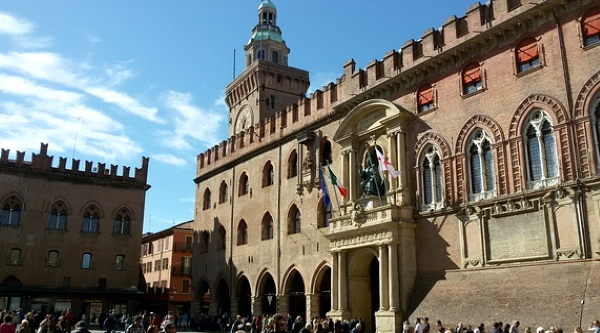
Bologna is the most practical introduction to the region. Its central streets are lined with porticoes, and Piazza Maggiore, the Basilica of San Petronio, the Archiginnasio and the Quadrilatero market area form a compact sightseeing route. The city’s porticoes are recognised as a UNESCO World Heritage site. Medieval towers and the university add to the city’s historic character.
Two days allow time for the centre, a museum, and a leisurely meal. Bologna is also a good base for day trips to Modena, Parma or Ferrara. The city is known for fresh egg pasta, mortadella and ragù, but it is worth exploring beyond the most famous dishes. For a guided walk, check the route, included entries and meeting location before booking. See our Bologna guide for more city information.
Parma: food, architecture and music
Parma is known for its cathedral and baptistery, opera heritage and food production. Parmigiano Reggiano cheese and Prosciutto di Parma are associated with the area. Visitors can tour producers in the surrounding countryside, but many visits need advance reservations and are outside the historic centre. If you do not have a car, check whether a tour includes transport.
The central area is easy to explore on foot. Allow time for the cathedral complex and a meal, and check museum schedules before travelling. Parma works well as an overnight stop or a day trip from Bologna, depending on whether you want to visit a producer.
Modena: cathedral, balsamic vinegar and motor museums
Modena’s cathedral, Piazza Grande and Ghirlandina tower form a UNESCO-listed ensemble. The city is also known for traditional balsamic vinegar and for its association with Italian motor brands. Visitors can combine a walk through the historic centre with a food visit or a motor museum, although some attractions are outside town and require transport.
Traditional balsamic vinegar production has specific ageing and tasting traditions. If you want to visit a producer, check the length, language, tasting options and location before booking. Modena is linked by rail with Bologna and other regional cities, making it a manageable day trip.
Ferrara: Renaissance streets and city walls
Ferrara has a broad Renaissance layout, a castle, historic palaces and walls that can be explored by bicycle. UNESCO’s listing includes the city and its Po Delta landscape. Ferrara is less hectic than Bologna and offers a quieter day of sightseeing. Cyclists can follow sections of the walls and paths around the centre, though visitors should check local rules and bike availability.
Ravenna: early Christian mosaics
Ravenna is a major cultural destination, especially for its early Christian monuments and mosaics. Several sites are included in UNESCO’s World Heritage listing. The attractions are spread around the city rather than contained in one museum, so check opening hours, ticket arrangements and walking distances in advance. A full day is useful if you want to visit multiple monuments.
Ravenna also gives access to pine forests, wetlands and the coast. If you want both culture and nature, an overnight stay can be more rewarding than a rushed trip from Bologna. The official tourism site has local information on outdoor areas and seasonal events.
Rimini and the Adriatic Riviera
Rimini combines a long beach resort area with a historic centre containing Roman remains and later architecture. South of Rimini, Riccione and Cattolica are popular seaside towns with hotels, restaurants and family attractions. To the north, Ravenna’s coastal area and smaller resorts offer another base for a beach holiday.
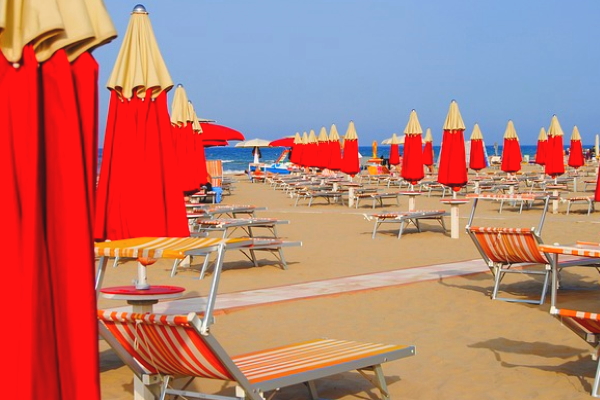
Many beaches are operated by private bathing establishments that rent umbrellas and loungers and provide services. Public beach sections are also available. Check what is included and how much it costs before choosing a beach. July and August are busiest; late spring and early autumn can be quieter, although swimming conditions and services vary.
Reggio Emilia, Piacenza and the Apennines
Reggio Emilia and Piacenza are worthwhile stops for visitors interested in regional history and architecture. They are less visited than Bologna or Parma and can be added to a rail-based itinerary. South of the main cities, the Apennines offer forest walks, villages and protected natural areas. Rural transport is less frequent, so a car or a guided excursion can be useful. Check trail conditions and weather locally before a hike.
Food and local specialities
Emilia-Romagna is associated with fresh egg pasta, filled pasta, cured meats, cheese and regional wines. Bologna is known for tagliatelle, tortellini and mortadella. Parma is linked to Parmigiano Reggiano and Prosciutto di Parma. Modena is famous for traditional balsamic vinegar. On the Romagna coast, piadina is a popular flatbread often filled with cheese, vegetables or cured meat.
Local food varies across the region, and recipes differ by town and family. Markets, cooking classes and producer visits can help visitors understand how products are made. Book a producer visit in advance and check whether transport is included. Many farms and dairies are outside city centres, and tastings may be scheduled only at certain times.
The official regional tourism website describes the area as a Food Valley and lists local products and destinations. At a restaurant, ask what is seasonal and local. Coastal menus often include fish and seafood, while inland restaurants may focus on pasta, meat and cheese.
When to visit Emilia-Romagna
Spring and early autumn are comfortable for city sightseeing, cycling and countryside trips. Summer is the main beach season, but coastal resorts can be crowded and accommodation costs higher. Bologna and the inland plain can be hot during midsummer, so plan outdoor activities for morning or evening.
Winter is suitable for museums, food trips and city breaks, though some outdoor or coastal businesses reduce their hours. Major fairs, festivals and sporting events can affect hotel availability. Check event dates in Bologna, Parma and Rimini before booking.
How to get there
Bologna is the region’s main transport hub, with an airport and high-speed rail connections. Airports in Rimini, Parma and Forlì may also be useful depending on route and season. Trains connect Bologna with Modena, Parma, Reggio Emilia, Ferrara, Ravenna and Rimini. Check the current schedule and whether the journey uses a regional or high-speed service.
If Bologna is not your final stop, plan the onward transfer before booking a flight. Airport shuttles and regional connections vary by time and day. For a late arrival, confirm that your train or shuttle will still be operating.
Getting around
Rail is a good way to link the principal cities. Bologna is especially useful for day trips, although some journeys involve a change or require a walk from the station. Check the return schedule and do not assume that a late train will be available after dinner. For coastal destinations, trains run along the Adriatic, but the last kilometre to a hotel or beach may require a bus or taxi.
A car is useful for rural food producers, Apennine villages and some motor museums. Historic centres often have ZTL restricted-traffic zones, paid parking or pedestrian streets. Ask your accommodation about access before driving in. During peak beach season, the train may be easier than finding parking near the shore.
Where to stay
Bologna is a strong base for a city break and rail day trips. Parma or Modena suits visitors with food and culture at the top of their list. Ravenna is convenient for mosaics and nearby wetlands, while Rimini and Riccione are best for a beach holiday. A countryside agriturismo can be a good choice for a slower stay, but check the distance to restaurants and transport.
For a week, consider splitting the stay between an inland city and the coast. Check accommodation distance from the station, parking arrangements, summer air conditioning and whether breakfast is served early enough for day trips. At the coast, confirm whether beach access and loungers are included or cost extra.
Bologna tickets and guided experiences
Compare available city walks and attraction tickets. Check the route, language, entries included and meeting point before booking.
Find accommodation in Emilia-Romagna
Compare stays in Bologna, Parma, Ravenna and the Adriatic resorts. Check the exact location because the region’s destinations are spread across a wide area.
Suggested itineraries
Three days in Bologna
Use two days for the historic centre, porticoes, markets and one or two museums. Spend the third day in the city at a slower pace or take a rail trip to Modena or Ferrara. If a producer tour is a priority, plan it before choosing the day trip.
Five days of cities and food
Stay in Bologna for two nights, then move to Parma or Modena. Add Ravenna or Ferrara for a day depending on your interests. Trains handle the city connections well, while producer visits outside town may need an arranged tour or car.
One week with the coast
Spend three or four nights in Bologna and the rest in Rimini, Ravenna or another coastal town. This balances culture and beach time. Add Parma or Modena only if you are comfortable with additional hotel changes or day travel.
Useful tips for first-time visitors
- Book producer visits and popular museums before you travel.
- Check regional train timetables, especially on Sundays and public holidays.
- For summer beach trips, reserve accommodation early and confirm beach service costs.
- Check ZTL and parking rules before driving into historic centres.
- Carry water and sun protection for cycling and summer sightseeing.
- Allow time to walk between stations, monuments and accommodation.
- Check current transport or trail alerts for changes and detours.
Is Emilia-Romagna right for your trip?
Emilia-Romagna is a good choice if you want to combine historic cities with regional food and straightforward rail travel. Bologna makes a convenient base, while Ravenna, Parma, Modena and Ferrara each add a distinct experience. The coast offers a separate kind of holiday and deserves several nights in summer. Choose a small number of places and allow enough time for meals, museums and transfers.
Official information and further reading
For current destination information, visit the official Emilia-Romagna tourism website. UNESCO has pages on the Early Christian Monuments of Ravenna and Ferrara and its Po Delta. Continue with our Bologna guide.
Planning your stay in more detail
When choosing a base, match the accommodation to the day-to-day plan. If you want to visit several museums and restaurants, Bologna’s centre saves local travel time. A hotel near the station can help with early trains, but may feel less atmospheric than the old town. In Parma and Modena, the historic centres are compact, though food producers are usually outside them. A rural stay offers a different experience but often depends on having a car.
Families heading to the Adriatic should check whether the beach has shallow access, changing facilities, shade and food nearby. Beach services may be provided by separate bathing establishments. Read the listing carefully to see what is included in the accommodation price and what must be paid at the beach. For a quieter experience, consider travelling outside the central summer weeks or staying in a smaller coastal town.
Food tours and producer visits can be a highlight, but the logistics matter. Confirm whether the visit is in English, how long it lasts, whether tastings are included and how to get there. A tour listed in a nearby city may meet in the countryside rather than at the station. If you are driving, arrange a designated driver for tastings; if not, choose a provider that includes transport or stay within the city and try local dishes at restaurants and markets.
For cyclists and hikers, choose routes that fit the season and your experience. Summer afternoons can be hot on exposed roads and paths. In the Apennines, weather can change quickly and services between villages may be limited. Bring water, check the route and return transport, and avoid relying on a single bus connection at the end of a long walk.
Rail travel is simplest when you keep the itinerary flexible. High-speed trains, intercity services and regional trains have different booking rules and stopping patterns. Use the correct station and check whether a ticket must be validated before boarding. Leave a margin for connections, especially when changing from a train to a bus or ferry. This matters most when travelling to smaller coastal or mountain destinations.