The lake has a very unusual shape consisting of three elongated lake parts. There is only one island in Lake Como. It is the approximately 500-metre-long island Isola Comacina in the south-western part. Due to the strange shape of the lake (roughly an upside-down Y), the circumference is very large. You drive 170 km along the shore if you want to go around Lake Como once. No other lake in Italy has such a large circumference or such a long shore.
Find accommodation in Lake Como
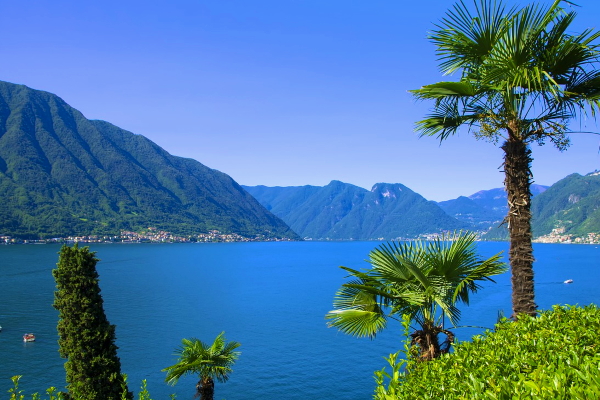
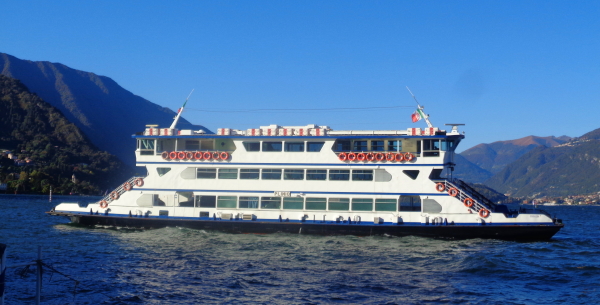
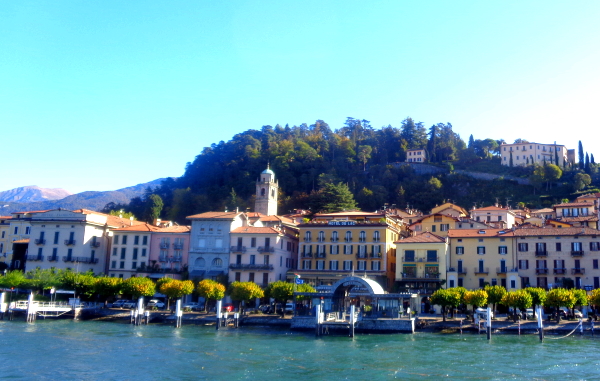
There are passenger boats on the lake, mainly for tourists. However, there are also frequent car ferries; crossing the lake by boat in the middle is a great shortcut, otherwise you would have to take a 50 or 100 km diversions.
Other ferries, mostly for passengers only, travel all over the lake between the larger towns. This is ideal for tourists who want to see different villages and towns on Lake Como. Popular destinations by boat include Bellagio and Varenna.
By train, you can quickly reach Como on the southern shore of Lake Como from Milan and Monza, as well as the eastern shore, for example Lecco and Varenna. Other places such as Bellagio can often be reached by public bus from Como.
The area became rich many hundreds of years ago with the breeding of silkworms and the production of silk. Silk is still an important economic sector today. More important now, however, is tourism. Many water sports enthusiasts also come.
Understanding Lake Como’s geography
Lake Como is shaped like an inverted Y, with branches meeting near Bellagio. This geography affects travel: a road journey around the lake can take much longer than the distance on a map suggests, and ferries are often the simplest way to move between central towns. Como lies at the south-western end, Lecco at the south-eastern end, while Bellagio, Varenna and Menaggio sit around the central junction.
Main towns and what they offer
Como
Como is a practical arrival point with rail connections, a historic centre, cathedral and lakeside promenade. The funicular to Brunate provides views over the lake and surrounding hills, subject to operating conditions and weather. Como is a good base for visitors who value transport connections and city amenities.
Bellagio, Varenna and Menaggio
Bellagio sits at the point where the lake’s branches meet and is known for its waterfront, villas and steep lanes. Varenna has a compact centre, lakeside walk and access to gardens and historic sites. Menaggio offers a promenade and links to the western shore. Ferries connect these towns, but frequencies vary by season and day. Check the official timetable before planning multiple stops.
Lecco and the eastern shore
Lecco has a more everyday city feel and provides access to the eastern branch and mountain routes. The eastern shore includes towns and villages with rail access, making it a useful alternative for travellers without a car. However, not every small village has frequent transport, so check bus, train and ferry connections separately.
Ferries, trains and roads
Navigazione Laghi publishes timetables and fares by route and season. Schedules can change between summer and winter, and service may be interrupted by weather or high waves. During busy periods, arrive at the pier early; the official operator advises allowing time for ticket purchase and boarding. Do not assume a ferry route is a continuous loop or that the next boat will arrive soon. Check the last return service before setting out.
Trains connect Como and Lecco with Milan and other destinations, while buses serve many lakeside towns. Road journeys can be scenic but narrow, winding and slow, particularly on summer weekends. Parking near popular villages is limited. If you are driving, consider leaving the car at a larger town and using boats or local transport for the central lake.
Villas, gardens and outdoor activities
Historic villas and gardens are among Lake Como’s best-known attractions. Villa del Balbianello, Villa Carlotta and Villa Monastero have separate opening calendars, ticket rules and booking options. Garden access and interior visits may be sold separately. Check the official venue pages and allow time for walking between the pier, entrance and gardens.
Hiking routes range from lakeside paths to steep mountain trails. Conditions can change with weather, and some paths include exposed sections. Wear appropriate shoes, carry water and choose a route that matches your experience. Boat trips, kayaking and swimming are also possible, but use designated access points and follow local safety notices.
When to visit and where to stay
Late spring and early autumn can offer pleasant weather and fewer crowds than peak summer, though opening days and ferry frequencies may be reduced. Summer provides the broadest range of services but can bring heat, traffic and busy piers. Winter is quieter, and some villas, restaurants and boat routes operate on limited schedules.
Choose a base according to your transport and interests. Como suits rail arrivals; central-lake towns suit ferry exploration; Lecco offers access to the eastern shore and mountains. Check the exact hotel location, uphill walking, parking and evening transport. A well-chosen base can save hours of repeated transfers.
Lake Como’s two southern gateways
Como and Lecco are the two main cities at the southern ends of the lake’s branches. Como is a convenient base for the western branch, the funicular to Brunate and rail travel from Milan. Lecco has a more local urban feel and provides access to the eastern branch and nearby mountain routes. Both are worthwhile in their own right, but they are not interchangeable arrival points. Check the exact train station and onward ferry or bus connection when booking accommodation.
Villa visits and gardens
Historic villas are among the most popular Lake Como attractions. Villa Carlotta, Villa del Balbianello and Villa Monastero each have their own opening calendar, ticket policy and garden layout. Some require a walk uphill from the pier or a separate boat transfer. Check the official website for hours, access restrictions, ticket types and whether interior rooms are open on your date. In peak season, advance booking may save time, but it does not remove the walk or transfer.
Gardens change through the year. Spring flowers, summer shade and autumn colours create different experiences, while winter openings may be limited. If you have mobility concerns, check gradients, steps and paths before buying a ticket. The site’s general accessibility statement may not cover every garden route.
Lake Como in a day
A day trip from Milan is possible, but choose a small area. One option is to visit Como town and Brunate; another is to take a train to Varenna and use ferries to Bellagio or Menaggio. Trying to circle the entire lake in one day is difficult because roads and boat services take time. Check the last ferry and train connections before leaving, and have a fallback route if weather disrupts boats.
For a multi-day stay, choose a base that matches your plans. Como offers more transport options; central-lake villages make ferry trips convenient; Lecco suits the eastern shore and some hiking. If you want a quiet stay, check whether restaurants and shops near your accommodation remain open outside high season.
Swimming and outdoor safety
Not every stretch of shoreline is a managed beach. Use designated swimming areas, check local notices and be aware that water depth can change quickly near the shore. Follow signs around harbours and boat lanes. For hiking, carry water and suitable footwear; paths can be steep and exposed. Sudden storms can affect both boats and mountain trails, so check weather forecasts before setting out.
Lake Como compared with Garda
Lake Como is shaped by its branching geography and steep mountain backdrop. Lake Garda is larger and has a broader southern basin, different resort towns and a wider range of shore landscapes. Both lakes offer boat travel, villas and outdoor activities, but they require different transport plans. Read our Lake Garda guide if you are deciding between the two.
Choosing the right base
Como is convenient for train arrivals and city services, but visitors who want to explore the central lake may prefer Varenna, Bellagio or Menaggio. Staying in a smaller village can make ferry trips easy, although evening services and restaurant choices may be limited outside peak season. Lecco is useful for the eastern branch and mountain access. Before booking, check the walking distance from the station or pier, the slope to the accommodation and whether luggage transfer is available.
If you have a car, confirm parking before reserving a hotel. Many lakeside villages have narrow streets and limited spaces. Some accommodation listings show the village but not the uphill route from the waterfront. Ask the property about access and parking, particularly if travelling with mobility needs or large bags.
How to avoid ferry-day problems
Ferry services can be busy during summer weekends and public holidays. Arrive early at major piers and check whether the timetable distinguishes passenger boats, fast services and vehicle ferries. A ticket for one service may not be valid for another. Verify the stop name carefully; similarly named piers can be in different parts of town. Keep your return options in mind before committing to a long lunch or villa visit.
Bad weather or strong waves can interrupt services. Check operator updates on the day and have an alternative by bus, train or taxi where available. Do not plan a remote hike around a ferry connection with no backup. If travelling with a bicycle or vehicle, confirm which boat carries it and whether a separate reservation is required.
Lake Como for different trip lengths
For a day trip from Milan, choose Como town or the central-lake triangle rather than trying to circumnavigate the lake. With two days, spend one in Como and Brunate and another around Varenna, Bellagio or Menaggio. A longer stay makes it possible to visit villas, gardens and hiking routes at a more relaxed pace. Leave room for weather and seasonal timetable changes.
Lake Como is also a practical starting point for mountain walks, but routes vary considerably in difficulty. Check elevation, trail surface, shade and return transport. Wear proper shoes and carry water. If a route is exposed or conditions deteriorate, turn back rather than continuing to meet a fixed ferry schedule.
Seasonal food and local life
Lake Como’s restaurants reflect both Lombard cuisine and the lake’s setting. Menus may include freshwater fish, polenta, risotto, cheeses and local wines. Lakeside restaurants can be busy at lunch and dinner in summer; reservations help if you have a specific venue in mind. In smaller villages, some businesses close on particular weekdays or outside the main season, so check schedules before relying on them.
Weekly markets and local festivals offer a view of everyday life, but dates differ by municipality. Ask the local tourist office for current listings. These events can affect parking and transport, especially in compact lakeside centres.
Ferry planning and trip lengths
Ferry services can be busy during summer weekends and public holidays. Arrive early at major piers and check whether the timetable distinguishes passenger boats, fast services and vehicle ferries. A ticket for one service may not be valid for another. Verify the stop name carefully; similarly named piers can be in different parts of town. Keep return options in mind before committing to a long lunch or villa visit.
Bad weather or strong waves can interrupt services. Check operator updates on the day and have an alternative by bus, train or taxi where available. Do not plan a remote hike around a ferry connection with no backup. If travelling with a bicycle or vehicle, confirm which boat carries it and whether a separate reservation is required.
For a day trip from Milan, choose Como town or the central-lake triangle rather than trying to circumnavigate the lake. With two days, spend one in Como and Brunate and another around Varenna, Bellagio or Menaggio. A longer stay makes it possible to visit villas, gardens and hiking routes at a relaxed pace. Leave room for weather and seasonal timetable changes.
Choosing a base
Como is convenient for train arrivals and city services, while central-lake villages make ferry trips easy. Lecco suits the eastern shore and some hiking. Before booking, check the walking distance from the station or pier, the slope to the accommodation and whether parking is available. Smaller villages can have limited evening services outside peak season.
Lake Como compared with Garda
Lake Como is shaped by its branching geography and steep mountain backdrop. Lake Garda is larger and has a broader southern basin, different resort towns and a wider range of shore landscapes. Both lakes offer boat travel, villas and outdoor activities, but they require different transport plans. Read our Lake Garda guide if you are deciding between the two.
Official ferry information
Lake Como ferry services vary by route and season. Consult the current timetables and service notices from Navigazione Laghi; the operator advises passengers to arrive before departure and notes that weather can affect service.
Explore Lake Como tickets and experiences