Trentino-Alto Adige (also called Trentino-South Tyrol) is a mountainous region in northern Italy, bordering Austria and Switzerland. It consists of two autonomous provinces: Trento, known as Trentino, and Bolzano/Bozen, known as South Tyrol or Alto Adige. The region combines Italian and German-speaking communities, alpine towns, vineyards, lakes, ski resorts and parts of the Dolomites.
Trento and Bolzano are the two main urban bases, but most visitors come for a particular valley, mountain area or lake. The northern province is culturally and linguistically distinct from Trentino to the south. This guide explains the difference, introduces key destinations and offers practical advice on transport, seasons and where to stay.
Trentino-Alto Adige at a glance
- Location: northern Italy, in the Alps
- Administrative structure: autonomous region with the provinces of Trento and Bolzano/Bozen
- Main cities: Trento and Bolzano/Bozen
- Known for: the Dolomites, Alpine valleys, lakes, skiing and hiking
- Languages: Italian, German and Ladin are spoken in the region, with local variation
- Good for: outdoor travel, city breaks, food, wine and winter sports
- Suggested stay: at least 4–7 days to explore more than one area
Understanding the two provinces
The region has two autonomous provinces. Trento is the regional capital and the main city of Trentino. Bolzano/Bozen is the capital of the Province of Bolzano, also called South Tyrol or Alto Adige. The region’s political and administrative structure is unusual compared with many Italian regions, because the provinces have extensive autonomy.
In South Tyrol, Italian and German are both official languages, and Ladin is used in some valleys. Place names are commonly written in Italian and German, for example Bolzano/Bozen and Bressanone/Brixen. In Trentino, Italian is the main language, though local minority languages and traditions also exist. Visitors should not assume that the same language mix, food or local customs apply throughout the region.
Landscapes and main travel areas
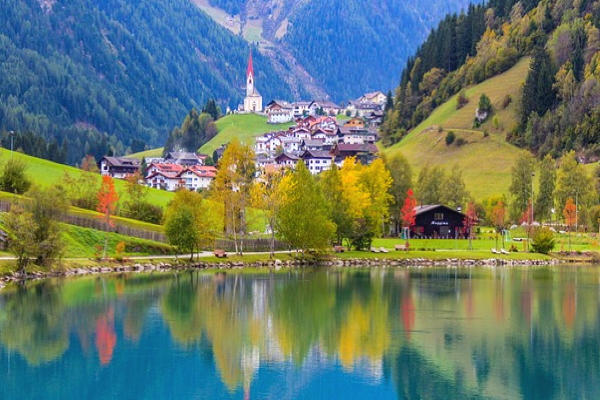
The region stretches from the northern Dolomites and Austrian border to the northern shore of Lake Garda. High peaks, broad valleys, forests, vineyards and lakes create a varied landscape. The Dolomites are a major attraction for hiking and skiing, while the Adige Valley connects important towns such as Bolzano and Trento.
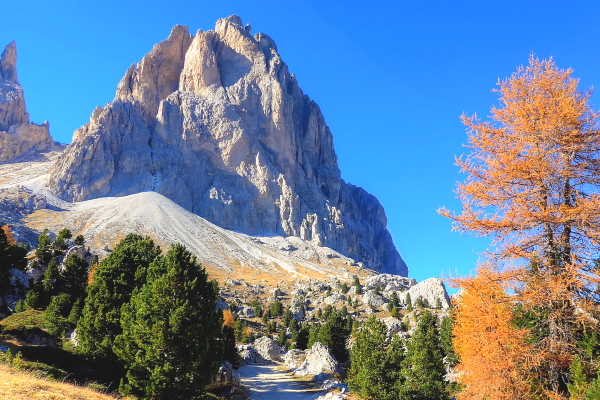
Popular areas include Val Gardena, Val Pusteria, Val di Fassa, the Brenta Dolomites, the Merano area and the Lake Garda shore around Riva del Garda. Each has different transport links and seasonal services. A trip focused on the Dolomites needs a different base from a city break in Trento or a lake holiday.
Best places to visit
Trento: historic centre and museums
Trento is the regional capital and a good introduction to the southern province. Piazza Duomo, the cathedral and Castello del Buonconsiglio are among the main sights. The city also has museums, cafés and a compact historic centre framed by mountains. The MUSE science museum is a popular choice for families and visitors interested in natural science.
One full day is enough for the central sights, while two days allow time for museums and a nearby excursion. Trento is well connected by rail along the north–south route through the Adige Valley. See our Trento guide for more city details.
Bolzano/Bozen: a meeting of Alpine and Italian cultures
Bolzano is the capital of South Tyrol and a practical base for museums, markets, food and cable-car excursions. The historic centre includes arcaded streets, Walther Square and the cathedral. The South Tyrol Museum of Archaeology displays Ötzi, the naturally preserved Copper Age man found in the Alps. Check the museum’s official ticket and opening information before visiting; timed entry may be useful on busy dates.
Bolzano is also a starting point for nearby mountain trips. Cable cars connect the city with surrounding plateaus, including Renon/Ritten. Operations and weather may affect services, so check current schedules. Our Bolzano guide has more information about the city.
Dolomites: hiking, cycling and skiing
The Dolomites span several valleys and are a major draw in both summer and winter. Visitors hike, cycle, climb and use mountain lifts in warmer months; winter brings skiing and snowboarding. Well-known bases include Val Gardena, Alta Badia, Val di Fassa and the Brenta area. Choose the valley according to the activities and transport you want, rather than assuming one town gives easy access to every mountain group.
Mountain routes require preparation. Check weather, trail conditions, lift operating dates and route difficulty. Carry suitable clothing, water and navigation, and follow local guidance. Some high routes are demanding even when they are accessible by lift. In winter, check snow and road conditions, equipment rules and resort opening dates.
Merano and the western South Tyrol
Merano/Meran is a popular town in South Tyrol, known for promenades, gardens, spa facilities and nearby mountain scenery. It has a different feel from Bolzano and can be a good base for visitors who want walks and day excursions. The surrounding area includes vineyards, orchards and mountain valleys. Public transport connects Merano with Bolzano, but local services to smaller villages should be checked for the travel date.
Lake Garda and the southern edge
The northern tip of Lake Garda lies within Trentino. Riva del Garda and Torbole are known for waterfront walks, sailing, windsurfing and mountain paths. The lake is shared by several regions, so distances around it can be longer than they appear. Our Lake Garda guide covers the lake more broadly.
Lake Garda is a good option for a warmer, lower-altitude stay, especially in spring and autumn. In summer it is popular for water sports and outdoor activities. Check ferry and bus schedules if you plan to travel between towns, and consider staying near your chosen activity rather than making daily journeys across the lake.
Trentino’s valleys, lakes and castles
Trentino includes many smaller towns and valleys beyond Trento. Rovereto has museums and historic sites, while the valleys contain castles, villages and lakes. Val di Fassa offers mountain scenery and Ladin cultural traditions. The Brenta Dolomites, Valsugana and Val di Non each have different walking and food experiences. Check regional tourism information for seasonal itineraries and local transport.
Castle visits can be a useful alternative on a rainy day, but opening hours and guided tours differ. Some sites are easier to reach by car, while others are connected by bus or rail. Plan the full return journey before choosing a remote attraction.
Food and local traditions
Food reflects the region’s Alpine geography and its cultural diversity. South Tyrol is associated with speck, apples, wine, dumplings and dishes influenced by both Italian and Austrian traditions. Trentino is known for mountain cheeses, polenta, canederli, freshwater fish and local sparkling wine. Menus vary from valley to valley, and restaurants often highlight seasonal ingredients.
In South Tyrol, bilingual menus are common. Local wines and apple products are widely available, and markets provide a way to sample regional produce. In mountain areas, meal times and restaurant opening days can be seasonal. If you are staying in a small village, check whether dinner is available nearby or needs to be reserved.
When to visit Trentino-Alto Adige
Summer is popular for hiking, cycling and mountain lifts. July and August are busy in famous valleys and resorts. Spring and early autumn can be quieter, but some high trails or lifts may not yet be open or may already have closed. Check local status before planning a route.
Winter is the main season for skiing and snow sports. Christmas and school holiday periods are especially busy. Outside the ski season, some resort services close temporarily. City visits to Trento and Bolzano are possible year-round, though opening hours and events vary. Choose the season according to your intended activities and confirm transport schedules.
How to get there
Rail and road routes run through the Adige Valley between Verona, Trento, Bolzano and Austria. The Brenner route is an important north–south connection. Trento and Bolzano have railway stations with links to other Italian cities and to Innsbruck. Nearby airports include Verona, Innsbruck, Venice and Milan, but the best choice depends on your final destination and transfer time.
Mountain resorts may require an onward bus, shuttle or rental car. Check the final connection before booking a flight or train, particularly if arriving late. Seasonal bus services can differ substantially from weekday rail schedules.
Getting around the region
Trains are useful for the Adige Valley and larger towns. Buses and local shuttles connect many valleys, but service frequency varies by season and day. Some accommodation includes a local guest pass for public transport; ask the property what is included and which routes it covers. A car offers more flexibility for remote trailheads and villages but can be challenging in winter.
In mountain areas, check parking, road conditions and lift access before setting out. Do not assume a trailhead has a bus service or that the final bus runs late. If you plan a long walk, confirm the return route and allow extra time. Cycling and hiking routes can cross between valleys, so local maps and signage are useful.
Where to stay
Bolzano is best for city sights, museums and rail connections in South Tyrol. Trento suits visitors interested in history and the southern province. Merano is a good base for promenades, gardens and nearby mountain areas. For hiking and skiing, stay in the valley or resort closest to your planned activities. Riva del Garda and Torbole work for a lake-focused stay.
For a week, choose two bases at most unless you enjoy frequent hotel changes. Check whether your accommodation has parking, public transport access, a guest pass and seasonal dining. Mountain villages can be quiet outside their main season, while popular resorts fill quickly during ski and summer holidays.
Tickets and experiences in Trentino-Alto Adige
Compare available tickets for museums and attractions in Trento and the wider region. Check the exact destination, date, included access and transport before booking.
Suggested itineraries
Three days: Trento and the nearby mountains
Spend a day in Trento, including the historic centre and one museum. Use the next two days for a nearby valley, castle or lake. This keeps travel manageable and gives flexibility if mountain weather changes.
Five days: Bolzano and South Tyrol
Stay in Bolzano for two nights, then move to Merano or a mountain valley. Visit the archaeology museum and historic centre before using cable cars or buses for outdoor excursions. Check seasonal operations and return schedules.
One week: two contrasting areas
Combine a city base such as Bolzano or Trento with either the Dolomites or Lake Garda. A week is enough to enjoy two areas at a relaxed pace. Choose the order according to arrival airport and transport links.
Practical tips for visitors
- Confirm whether an address uses Italian, German or both place names.
- Check weather, trail status and lift schedules before mountain outings.
- Reserve accommodation early for ski season and peak summer weeks.
- Check whether a guest pass is included and which transport it covers.
- Plan bus connections and return times for remote valleys.
- Carry layers and water, even in summer, when travelling at altitude.
- Check winter road requirements if renting a car.
Official information and further reading
For current information, visit the official Visit Trentino website and South Tyrol tourism portal. Continue with our guides to Trento, Bolzano, Lake Garda, Lombardy and Veneto.
How to choose an area for your trip
If you want museums, restaurants and rail connections, choose Trento or Bolzano. If you want hiking, skiing or a particular mountain group, stay in the valley that provides direct access to your planned routes. For a lake holiday, choose the northern shore of Lake Garda and check the ferry and bus network. These bases offer different experiences and should not be treated as interchangeable.
A car is helpful for moving between remote villages, but it is not always the easiest option in larger towns or during winter. Ask your accommodation about parking, road conditions and local transport. If you will use buses, check the actual service for your dates and whether the last return connection is early. A missed bus in a mountain valley can alter the rest of the day.
When choosing a hiking route, use local maps and official trail information. Online photos do not show elevation gain, exposed sections or seasonal closures. Carry clothing for changing weather and tell someone your route if you are walking alone. If a route seems beyond your experience, choose a lower or shorter alternative or ask a local guide.
In winter, compare ski areas based on the type of slopes, lift connections and location of your accommodation. Some resorts are linked, while others need a drive or bus transfer. Check whether ski passes cover the area you plan to use, and confirm equipment rental and shuttle arrangements. School holidays can raise demand for both rooms and lift tickets.
For a first regional trip, it is usually better to see fewer places in more depth. A combination of a city and one mountain or lake area can work well in four or five days. A longer stay can add a second valley. Leave time for weather changes and travel between towns; the scenery is a reason to slow down, not only a backdrop between attractions.